
Cold weather changes almost everything about daily livestock care, from how much water animals actually drink to how many calories they need just to stay warm. A little planning before winter arrives goes a long way toward keeping your herd or flock healthy through the coldest months.
Water Is the Biggest Winter Challenge
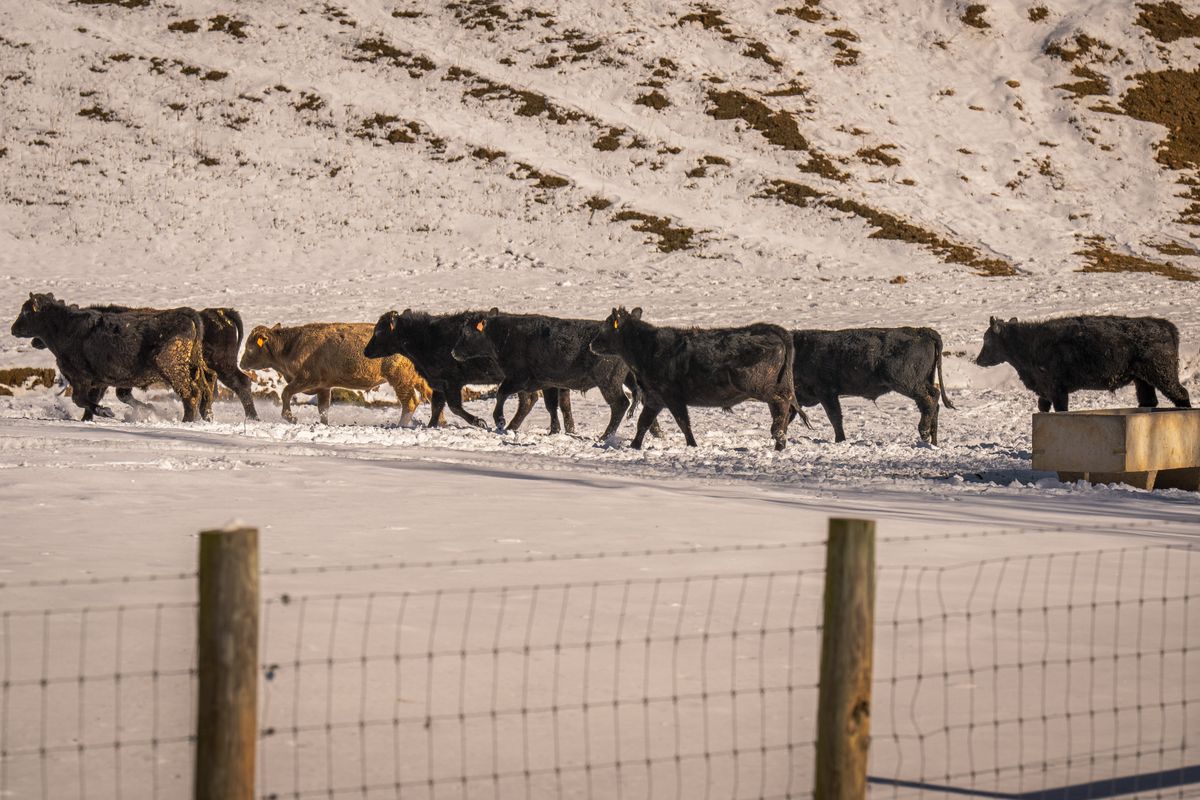
Livestock often drink noticeably less water when it’s ice cold or when they have to break through ice to reach it, and reduced water intake leads directly to reduced feed intake, which is the opposite of what animals need in cold weather. Heated waterers or regularly breaking and clearing ice are essential, and horse owners in particular should be vigilant, since inadequate water intake in cold weather is a known contributor to impaction colic.
Increasing Feed for Cold Weather
Every species has a “lower critical temperature,” the point below which an animal must burn extra energy just to maintain its core body temperature. A common extension guideline is that energy requirements increase by roughly 1 percent for every degree below that threshold, and wet, windy conditions push that threshold much higher than dry, calm cold. Good quality hay is especially valuable in winter, since the digestive fermentation of forage actually generates internal body heat, more so than grain-based rations.
Shelter, Not Heated Barns
Most livestock species are far better adapted to cold than most new owners assume, and a heated barn is rarely necessary or even advisable. What animals actually need is a solid windbreak to cut wind chill and a dry place to lie down, since wet, wind-exposed animals lose body heat far faster than dry animals in still air. Any enclosed shelter still needs adequate ventilation to prevent moisture and ammonia buildup, which causes more respiratory problems than cold air alone ever would.
Body Condition Scoring Before Winter Hits
It’s much easier to maintain good body condition through winter than to rebuild lost condition once cold weather has already taken its toll. Evaluating body condition score in the fall, before the coldest weather arrives, gives you time to adjust feeding for any thin animals while they can still catch up more easily.
Special Considerations for Newborns in Winter
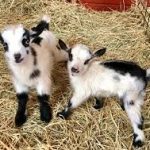
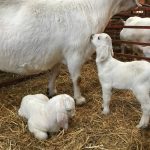
Animals born during cold snaps are especially vulnerable, since newborns are wet at birth and lose body heat rapidly. Extra bedding, draft-free shelter, and prompt drying and warming of newborns are critical in the first hours of life during winter births.
Ice, Mud, and Frostbite Prevention
Frozen mud and ice increase injury risk from slips, while prolonged standing in wet, muddy conditions raises the risk of frostbite on ears, tails, and lower legs. Providing a dry bedded area, even a small one, gives animals somewhere to escape standing water and frozen ground.
Final Thoughts
Winter livestock care comes down to reliable water, adequate feed energy, and dry shelter from wind, not necessarily warmth in the way people think of it. Stop by Ray’s Livestock & Feed Store for winter feed, hay, and heated waterer supplies before the cold sets in. For region-specific winter livestock guidance, your local USDA NRCS office or extension service is a valuable free resource.