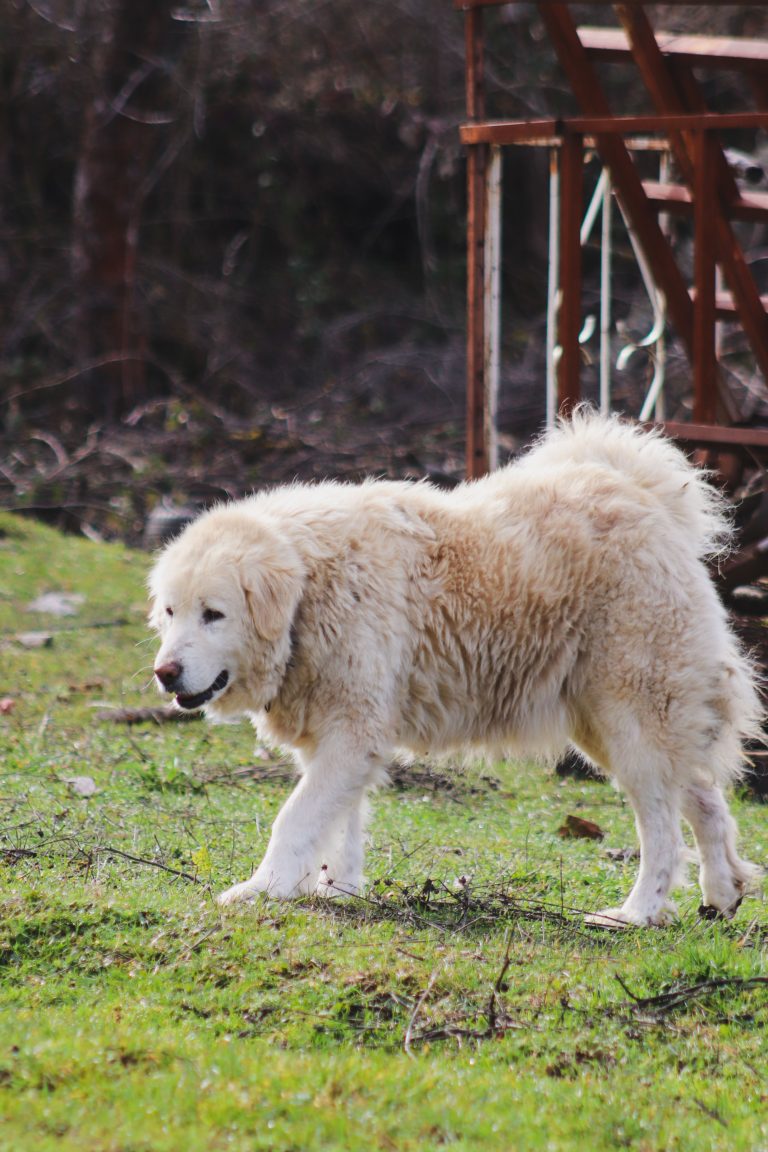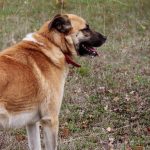

Not all livestock guardian dogs are the same, and picking the wrong breed for your climate, terrain, or herd type can mean a frustrating mismatch. Here’s an honest, practical comparison of the four most common LGD breeds found on American farms today: Great Pyrenees, Anatolian Shepherd, Akbash, and Maremma.
Great Pyrenees
Originating in the mountains between France and Spain, the Great Pyrenees is the most widely kept guardian breed in the U.S. Their thick double coat makes them best suited to cooler or moderate climates, though many still work fine in the South with adequate shade and water. Pyrenees are known for being calm, affectionate with their families, and somewhat independent decision-makers who patrol at night and rest during the day.
Best for: Cooler climates, mixed livestock (goats, sheep, poultry), owners who want a breed with a long track record and wide availability.
Anatolian Shepherd
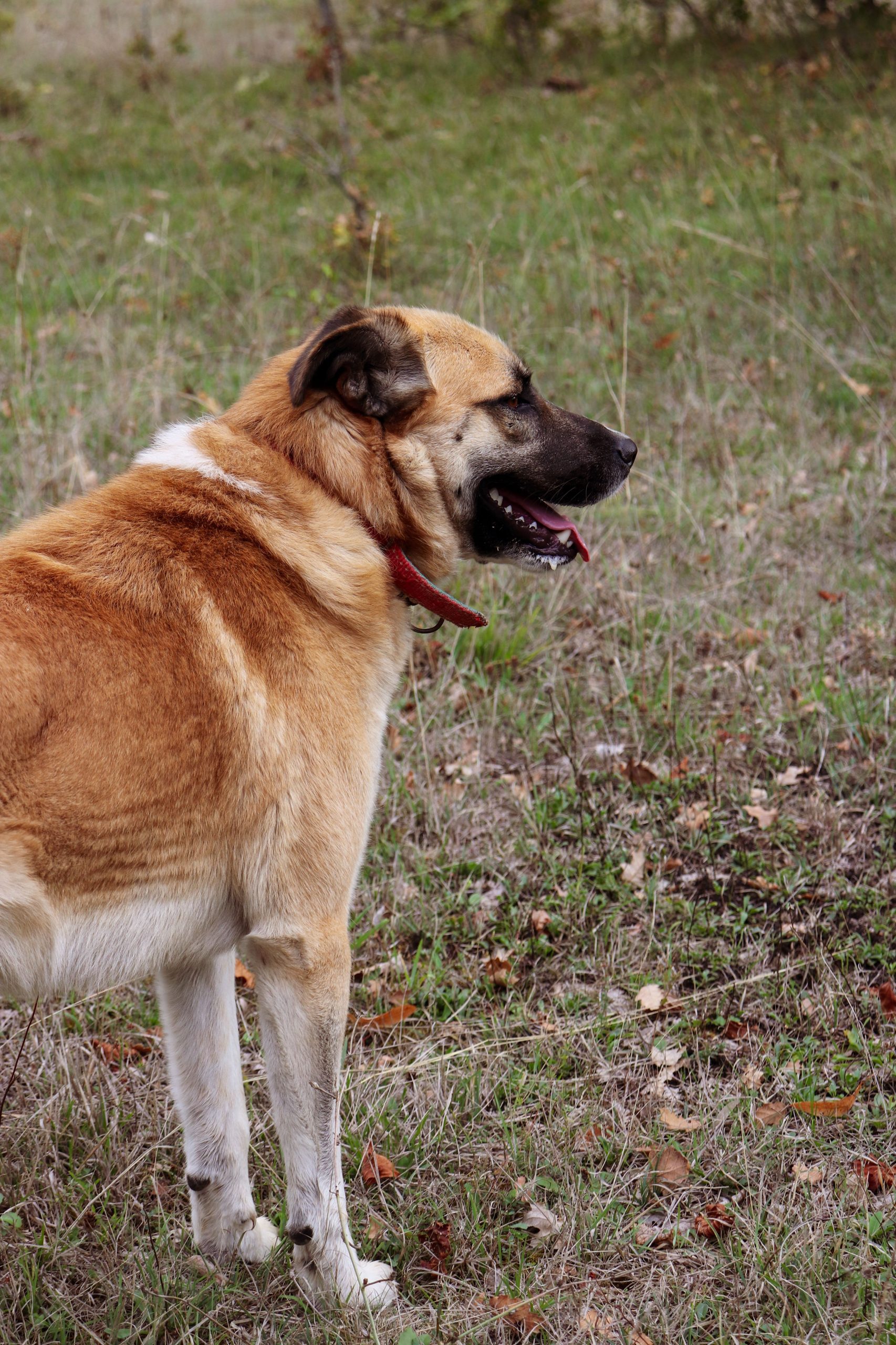
Developed in the harsh climate of central Turkey, the Anatolian Shepherd is leaner, faster, and more heat-tolerant than the Pyrenees. This breed tends to be more aloof with strangers and highly territorial, making it an excellent deterrent against determined predators like coyotes and even wolves. Anatolians are athletic and cover ground quickly, which suits larger open pastures.
Best for: Hot climates, large acreage, cattle and sheep operations, farms with heavier predator pressure.
Akbash
Also from Turkey, the Akbash is lighter-boned and faster-moving than either the Pyrenees or Anatolian. Bred for speed as much as size, Akbash dogs are known for reacting quickly to threats and covering large territories efficiently. Their white coat historically helped shepherds distinguish them from wolves at a distance.
Best for: Farms needing a highly mobile guardian, open range operations, owners comfortable with an independent, reserved temperament.
Maremma Sheepdog
This Italian breed is often described as slightly more people-oriented and biddable than other guardian breeds, without sacrificing guarding instinct. Maremmas have a strong reputation for bonding closely with poultry and small ruminants, making them a favorite among smaller diversified farms and homesteads.
Best for: Small farms and homesteads, mixed poultry and small livestock, first-time LGD owners wanting a slightly more approachable temperament.
How to Choose Between Them
Consider these factors before deciding on a breed:
- Climate – Heavier-coated breeds like the Pyrenees need more heat management in the South, while Anatolians and Akbash handle heat better.
- Terrain and acreage – Larger, open properties benefit from faster, more mobile breeds like the Akbash or Anatolian.
- Livestock type – Poultry-heavy operations often do best with Maremmas or well-socialized Pyrenees, since some guardian breeds are more prone to rough play with small birds when young.
- Predator pressure – Areas with wolves or large predator populations often favor the size and territorial drive of Anatolians.
Many working guardian dogs today are actually crosses between two or more of these breeds, combining traits to suit a specific operation. A reputable breeder can tell you exactly what’s in a mixed-breed LGD’s background and how the parents perform in the field.
Temperament Matters More Than Pedigree
Regardless of breed, an individual dog’s working ability depends heavily on how it was raised. A poorly socialized dog of any guardian breed can develop bad habits, while a well-raised, properly bonded dog of almost any guardian breed can become an outstanding protector. The Livestock Conservancy notes that guardian breed selection should always be paired with careful, hands-off rearing around livestock from a young age to preserve natural guarding instincts. Learn more from their overview of heritage and working livestock breeds.
Ready to Choose Your Guardian?
Whether you decide on a Great Pyrenees, Anatolian Shepherd, Akbash, Maremma, or a working cross of these breeds, the right dog will pay for itself many times over in protected livestock. Take a look at our current livestock guard dogs for sale, including puppies, started pups, and already-trained adults ready to go to work protecting your goats, sheep, and poultry.