
Here in the Houston area, hot and humid summers put real stress on livestock, and humidity makes heat far more dangerous than dry heat of the same temperature because animals can’t cool themselves as effectively through sweating or panting. Preparing your farm before the worst heat arrives can prevent serious losses.
Water: The First Line of Defense
Water needs can double or more during extreme heat, and a single trough that’s adequate in spring may not deliver water fast enough to a full herd during a summer heat wave. Adding extra water points and checking flow rate and cleanliness daily during hot weather is one of the single most effective heat management steps you can take.
Shade Is Non-Negotiable
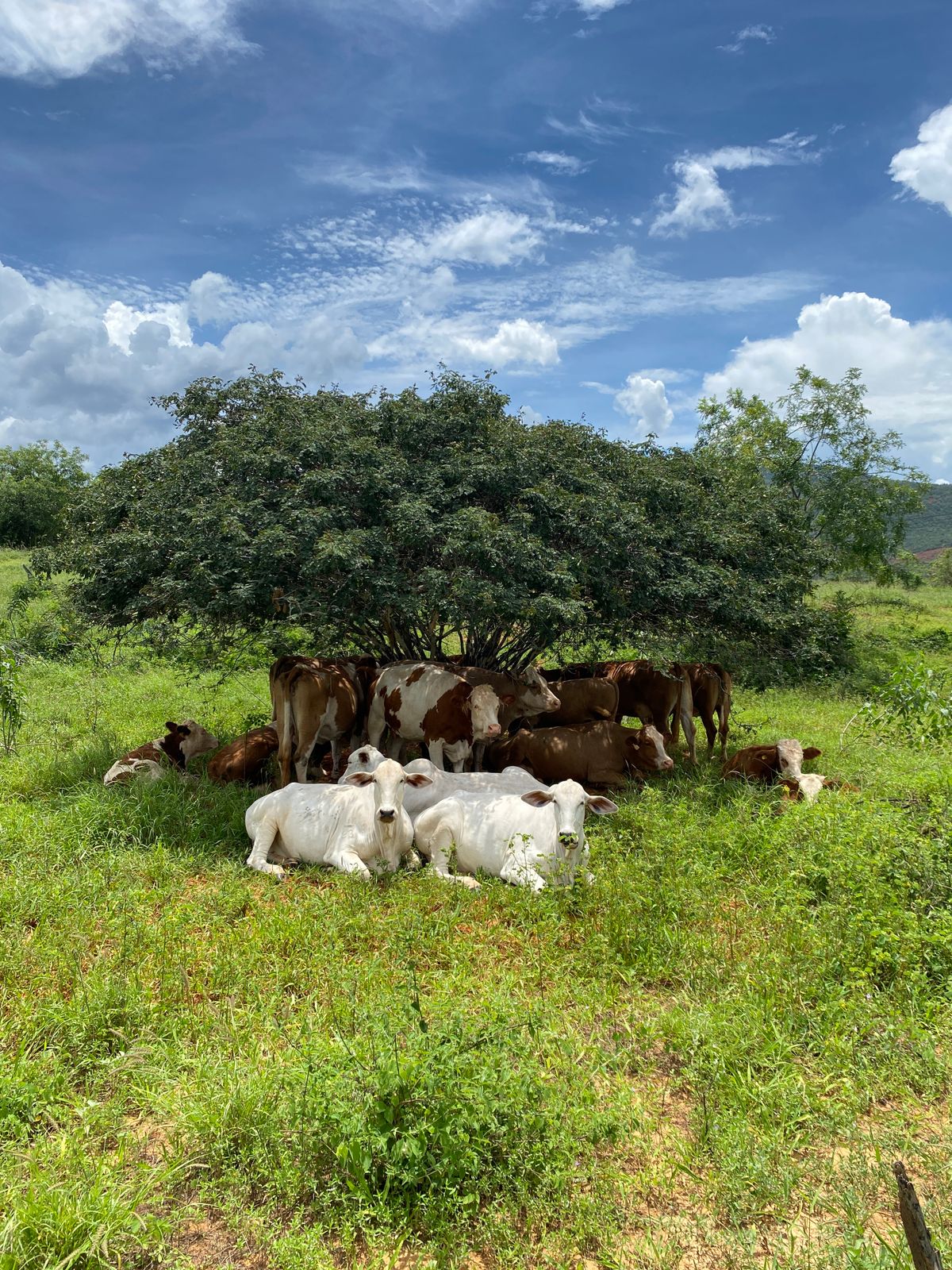
Whether from mature trees or a constructed shade structure, every animal needs access to real shade during the hottest parts of the day. In hot, humid climates especially, animals without adequate shade are at significantly higher risk of heat stress, since they have no way to escape direct solar radiation on top of already elevated air temperature and humidity.
Adjusting Feeding Times
Digestion itself generates internal body heat, so feeding heavy rations, especially grain, during the hottest part of the day adds to an animal’s total heat load at the worst possible time. Shifting the bulk of feeding to early morning or evening, when temperatures are cooler, helps reduce this added metabolic heat burden.
Recognizing Heat Stress Symptoms
Increased respiration rate or open-mouth panting is often the first visible sign of heat stress, followed by excessive drooling, reduced feed intake, and lethargy in more severe cases. In humid climates, the combination of high temperature and high humidity, sometimes tracked using a temperature-humidity index, creates dangerous conditions even when the thermometer alone doesn’t look extreme.
Breed and Coat Considerations
Cattle with Brahman or other Bos indicus genetics tend to handle heat and humidity noticeably better than straight British breeds, thanks to more sweat glands, looser skin, and lighter coat color that reflects rather than absorbs solar radiation. For sheep, shearing before the hottest months removes a heavy insulating fleece that can otherwise contribute significantly to heat stress.
Ventilation and Airflow in Barns
Any enclosed housing needs strong airflow during summer, whether through natural cross-ventilation, ridge vents, or fans, since stagnant, humid air inside a barn can be even more dangerous than open pasture conditions on the same hot day.
Final Thoughts
Preparing water, shade, and ventilation ahead of the hottest months is far more effective than trying to manage a heat crisis once it’s already underway. Stop by Ray’s Livestock & Feed Store for heat-season supplies, from extra waterers to electrolyte supplements, before summer hits its peak. For heat stress risk data specific to your area, the National Weather Service livestock heat advisories are a helpful daily reference.