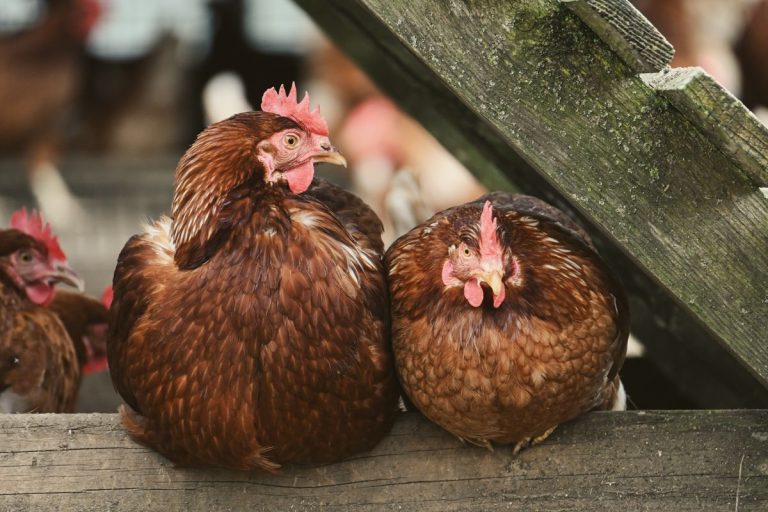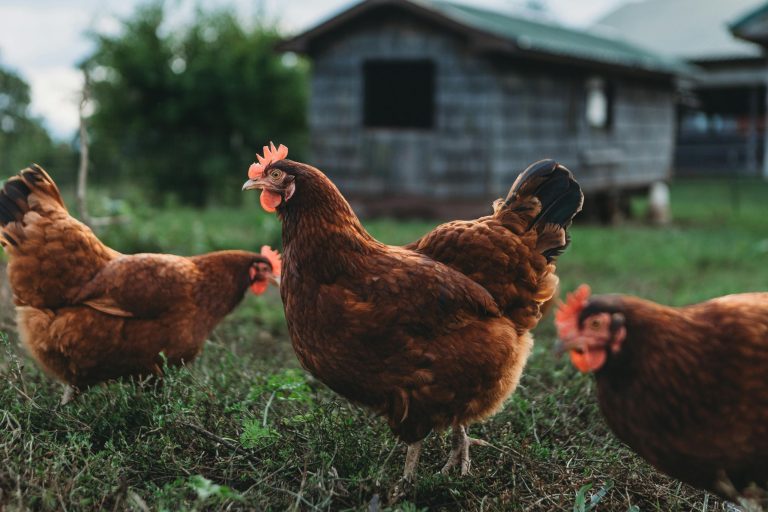


A well-designed chicken coop is the foundation of a healthy, low-maintenance backyard flock. Get the basics right from the start, space, ventilation, predator protection, and easy cleaning, and you’ll spend far less time troubleshooting problems down the road.
Space Requirements Inside and Out
A common guideline is at least 4 square feet of interior coop space per standard-sized hen, plus 8 to 10 square feet of outdoor run space per bird if they won’t have regular access to free-range on open pasture. Crowding is one of the most common causes of stress, feather picking, and disease spread in backyard flocks, so it’s almost always better to build slightly larger than you think you need.
Nesting Boxes and Roosting Bars
Plan on one nesting box for every three to four hens, positioned lower and darker than the roosting area to encourage hens to sleep on roosts rather than in the boxes overnight. Roosting bars should provide roughly 8 to 10 inches of linear space per bird and should be placed higher than the nesting boxes, since chickens naturally want to roost at the highest available point.
Ventilation Without Drafts
Good ventilation is one of the most overlooked aspects of coop design. Moisture and ammonia buildup from droppings, not cold temperatures themselves, are the leading cause of frostbite and respiratory illness in backyard flocks during winter. The goal is airflow near the roofline to exhaust humid air and ammonia, while avoiding direct drafts blowing across roosting birds at night.
Predator-Proofing Your Coop
Standard chicken wire is not strong enough to keep out raccoons, weasels, or dogs, which can tear through it or reach through the openings. Half-inch hardware cloth is the standard for any opening a predator could reach. Burying an apron of hardware cloth several inches into the ground around the coop’s perimeter also stops digging predators like foxes and raccoons from tunneling underneath. Use secure, predator-proof latches, since raccoons in particular are notorious for figuring out simple hook-and-eye closures.
Flooring and Bedding Choices
Pine shavings and sand are the two most popular bedding choices, each with tradeoffs in cost, odor control, and cleaning effort. Many keepers use the deep litter method, allowing bedding to build up and compost in place over the cooler months, which can also provide some extra warmth through the natural composting process, then cleaning it out fully once or twice a year.
Easy Cleaning and Maintenance Features
Features like a hinged roof or removable droppings board under the roost make weekly cleaning dramatically faster. An external nesting box access door, so you can collect eggs without entering the coop itself, is a small design touch that saves real time over the life of the coop.
Final Thoughts
A coop built with adequate space, solid ventilation, and real predator protection from day one will save you countless headaches compared to retrofitting problems later. If you’re setting up your first flock, visit Ray’s Livestock & Feed Store or browse our hens for sale and coop supplies to get started. For detailed coop design plans, the Penn State Extension poultry program offers helpful, research-based guidance.