
Knowing what “normal” looks like for your horse is one of the most valuable skills you can develop as an owner. Catching subtle changes early, before they become full-blown emergencies, often makes the difference between a quick recovery and a serious, costly problem. Here’s what to check regularly.
Vital Signs Every Owner Should Know
A healthy adult horse at rest typically has a body temperature between 99 and 101 degrees Fahrenheit, a pulse of 28 to 44 beats per minute, and a respiratory rate of 8 to 15 breaths per minute. Capillary refill time, checked by pressing on the gum and timing how quickly color returns, should be under two seconds. Gut sounds should be audible on both sides of the abdomen; the absence of gut sounds is a warning sign that should never be ignored.
Body Condition and Coat
The Henneke body condition scoring system, which rates horses from 1 (extremely thin) to 9 (extremely obese), is a useful, standardized way to track whether your horse is maintaining an appropriate weight over time. A healthy horse in good condition typically has a smooth, shiny coat, while a dull, rough, or excessively long coat outside of normal seasonal shedding patterns can point to underlying nutritional or health issues.
Hooves and Legs
Healthy legs should be free of heat, swelling, or unusual sensitivity, and hooves should show even wear without cracks or a strong odor. Regular farrier visits, typically every six to eight weeks, are essential even for horses that aren’t ridden regularly, since hoof growth continues regardless of workload.
Eyes, Nose, and Appetite
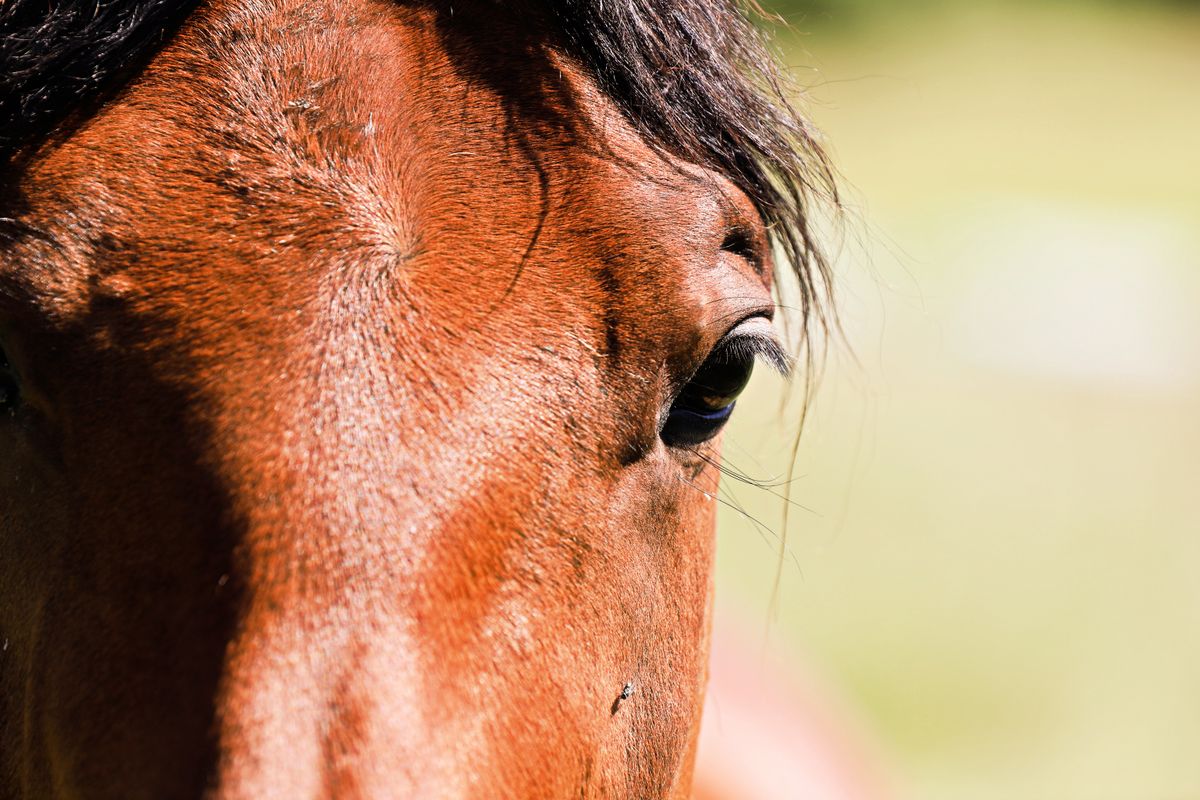
Eyes should be bright, clear, and free of excessive discharge or cloudiness, and nostrils should be clean without thick discharge. A healthy horse maintains a strong, consistent appetite and produces normal manure and urine output; any sudden drop in appetite or change in manure consistency or frequency deserves attention.
Behavior and Attitude
A healthy horse is generally alert, responsive to its surroundings, and engages normally with herd mates. Watch for changes in gait, reluctance to bear weight evenly on all four legs, or a sudden change in temperament, all of which can be early indicators of pain or illness even before more obvious symptoms appear.
When to Call the Vet Immediately
Classic colic signs, including repeated pawing, rolling, looking at the flank, or a complete absence of gut sounds, warrant an immediate call to your veterinarian, as colic can become life-threatening quickly. Severe or sudden lameness, a high fever, or significant lethargy are similarly signs that shouldn’t wait for a routine appointment.
Final Thoughts
Learning your horse’s normal vital signs and daily habits is one of the best investments you can make in its long-term health. If you’re bringing home a new horse, browse our horses for sale at Ray’s Livestock & Feed Store, and always establish a relationship with a local equine veterinarian early. For detailed wellness checklists, the American Association of Equine Practitioners offers excellent owner resources.