
Not all goats are bred for the same purpose, and choosing between a meat breed and a dairy breed shapes almost every part of how you’ll manage your herd. Here’s how the two categories differ and how to decide which fits your goals.
Body Type and Build Differences
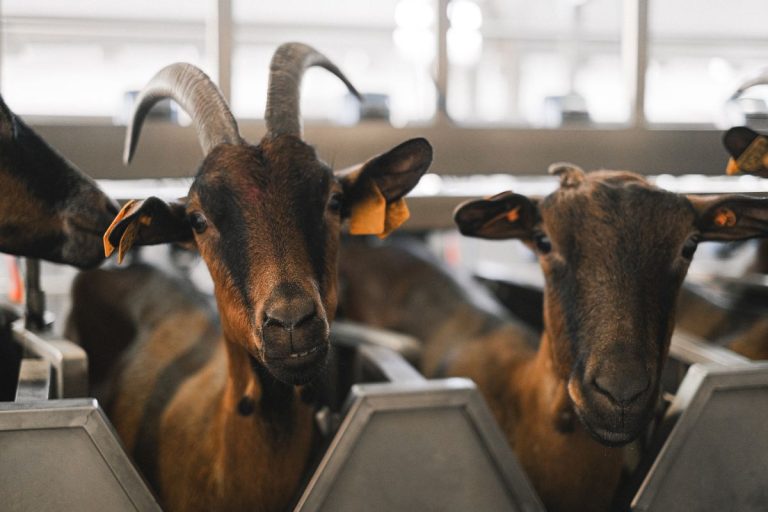
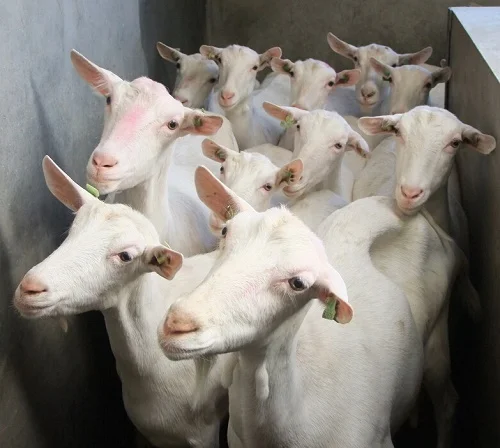
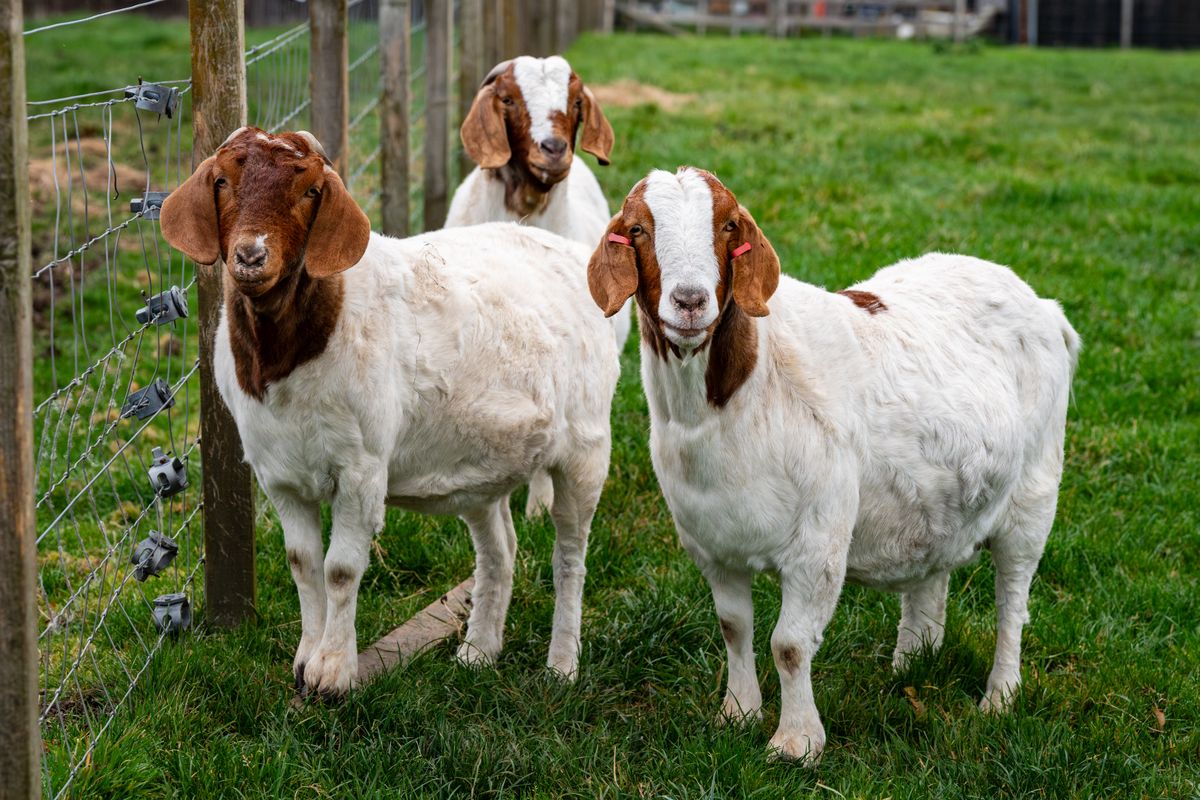
Meat goat breeds such as Boer, Kiko, and Spanish goats are bred for a blocky, muscular build with a wide chest and heavy hindquarters, traits selected specifically to maximize meat yield. Dairy breeds like Nubian, Alpine, Saanen, LaMancha, and Toggenburg tend to have a more angular, refined frame, with breeding selection focused on udder capacity and milk production rather than muscle mass.
Feeding and Nutrition Needs
Dairy goats in milk have significantly higher energy and protein requirements than dry goats, since milk production places heavy metabolic demands on the animal. Meat breeds, particularly Boer goats, are bred for efficient, rapid weight gain and muscle development, with nutritional needs geared toward growth rather than sustained lactation output.
Daily Management Differences
Dairy goats require a real daily commitment: milking twice a day, roughly twelve hours apart, is standard practice for maintaining production and udder health. Meat goats generally require far less daily hands-on labor, often managed primarily on pasture with routine health checks rather than a twice-daily milking schedule.
Reproduction and Growth Rates
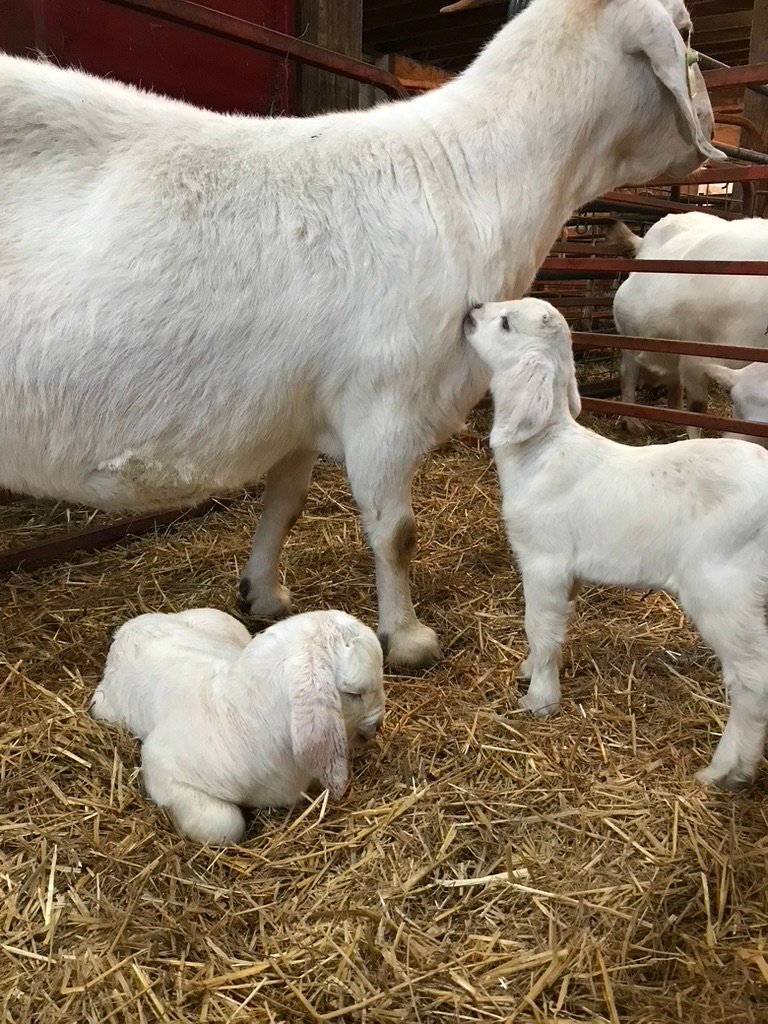
Meat breeds are often selected for multiple births and fast growth to market weight, making them well suited to producers raising kids for meat sale or youth market projects. Dairy breeds are managed around lactation cycles, with does typically bred annually to maintain milk production, and a full lactation commonly lasting around ten months before a dry period.
Which Is Right for You?
If your goal is fresh milk, cheese, or soap making for your family or a small business, a dairy breed is the clear choice, but be honest with yourself about the twice-daily milking commitment before you commit. If your goal is meat production, 4-H market projects, or simply a lower-maintenance goat for brush control and homesteading, a meat breed like Boer or Kiko is likely a better fit.
Final Thoughts
Both meat and dairy goats can be wonderful additions to a small farm, but matching the breed to your actual goals and daily capacity will make the experience far more rewarding. Browse our goats for sale at Ray’s Livestock & Feed Store, and talk with our team about which type fits your plans. For breed-specific standards, the Livestock Conservancy maintains detailed breed profiles.