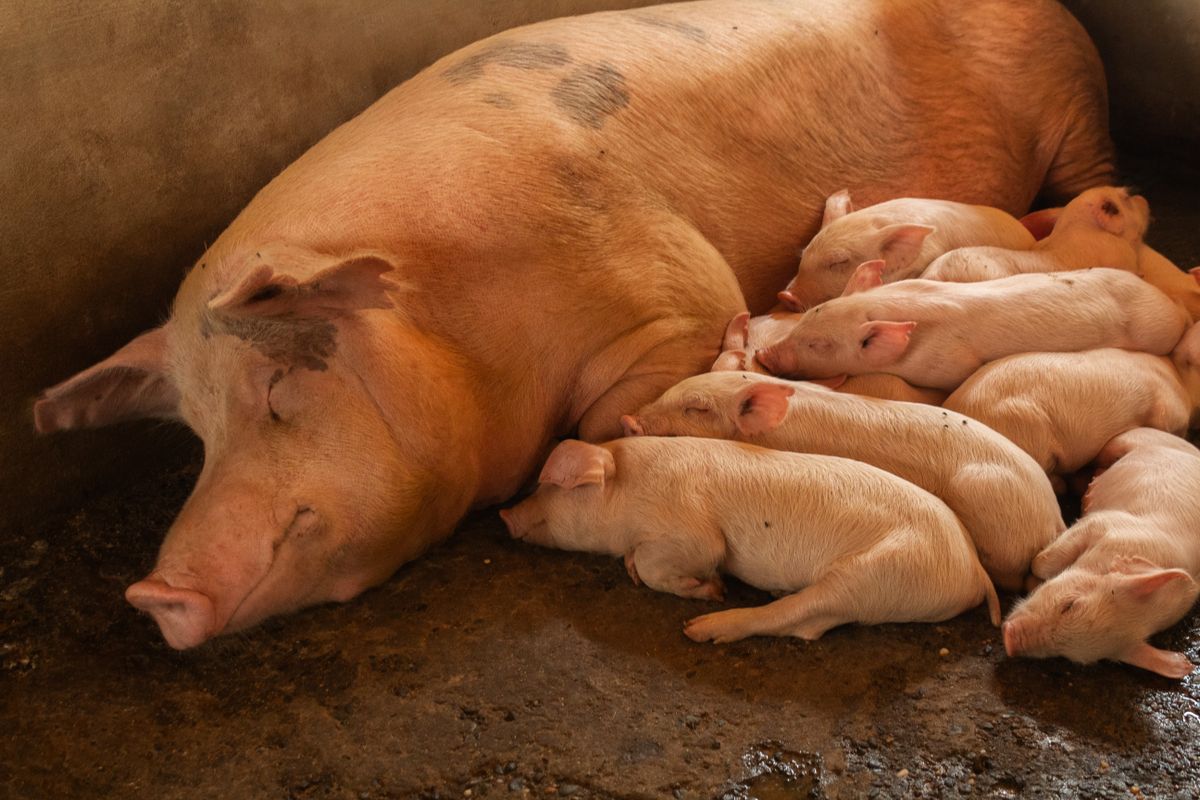

Small-scale pig farming has grown in popularity among homesteaders and small landowners looking to raise their own pork or start a modest side business. Pigs grow quickly, convert feed efficiently, and don’t require the acreage that cattle or horses do, making them an approachable entry point into livestock production.
Deciding on Your Production Goal
Most small-scale producers start by raising feeder pigs purchased at weaning age and grown out to market weight for meat, rather than maintaining a breeding sow operation. Breeding your own sows adds significant complexity, including farrowing management and a longer-term commitment, so many beginners choose to buy weaned feeder pigs each season until they’ve built more experience.
Choosing a Breed for Small-Scale Production
Berkshire and Duroc are both popular choices for small-scale, pasture-based operations, known for good meat quality and reasonably docile temperaments. Yorkshire and crossbred commercial pigs grow quickly and efficiently, while several heritage breeds have seen a resurgence among small producers focused on flavor and traditional pasture-raised systems.
Housing and Fencing Needs
Pigs are powerful, natural rooters, and standard livestock fencing that works fine for sheep or goats often isn’t strong enough to contain them. Hog panels or well-anchored electric fencing are the most reliable options. Pigs also cannot sweat effectively and rely on wallows, shade, or misting systems to cool themselves in hot weather, so access to mud, shade, or water is essential, not optional, during summer months.
Feeding Your Pigs
Pigs need different protein levels at different growth stages, typically starting around 18 to 20 percent protein for young pigs and gradually stepping down to around 14 to 16 percent as they approach market weight. Be aware that feeding raw meat scraps or food waste to pigs is regulated or restricted in many states due to disease transmission risk, and any garbage feeding must legally be cooked and, in many jurisdictions, requires a specific license, so it’s best to stick with a commercial feed ration unless you’ve confirmed your local regulations.
Health and Biosecurity Basics
Basic biosecurity, such as quarantining new pigs before introducing them to existing stock, keeping visitors and equipment from other farms away from your pigs, and working with a veterinarian on a vaccination and deworming schedule, goes a long way toward preventing disease outbreaks in a small herd.
Timeline from Piglet to Market Weight
Feeder pigs typically reach market weight, commonly in the range of 250 to 280 pounds, in about five to six months from weaning, depending on breed, feed quality, and management. This relatively fast turnaround is one of the reasons pigs are such an approachable option for new livestock producers.
Final Thoughts
Pigs offer a fast, efficient entry point into raising your own meat, provided you plan for sturdy fencing, proper feed, and basic biosecurity from the start. Browse our pigs for sale at Ray’s Livestock & Feed Store to find your first feeder pigs, and stop by for feed and supplies to get your setup ready. For local regulations on feed and biosecurity, check with your state department of agriculture before you start.