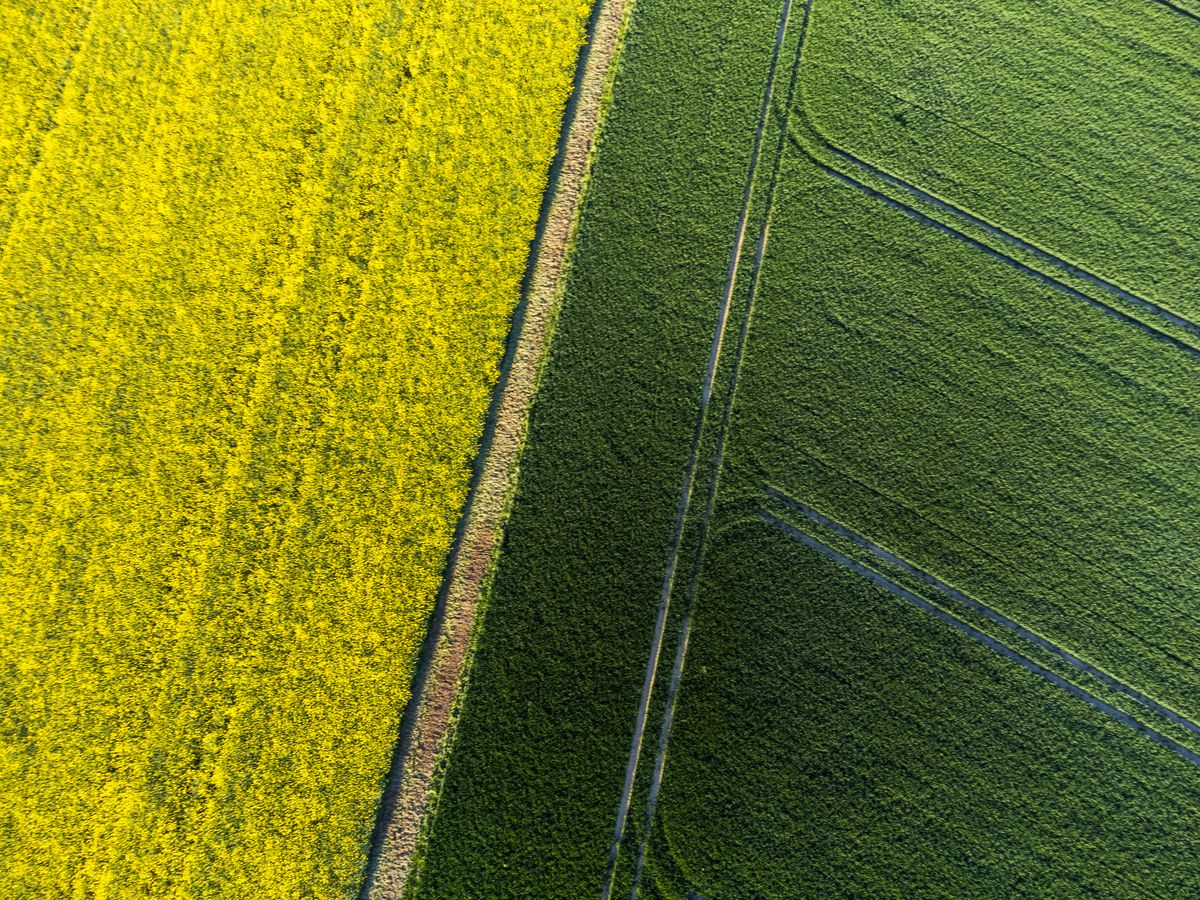

Growing the same crop in the same field year after year gradually depletes specific soil nutrients and allows pests and diseases tied to that crop to build up in the soil. Crop rotation, simply planning which crops follow which in a given field over multiple seasons, is one of the oldest and most effective tools for keeping land productive without relying entirely on purchased inputs.
Why Rotate Crops?
Different crops draw on soil nutrients in different amounts and patterns, so rotating between them helps prevent the kind of nutrient depletion that happens when the same crop repeatedly pulls on the same resources. Rotation also disrupts the life cycles of pests and diseases that target a specific crop, since many soil-borne pathogens and pest insects struggle to persist when their host plant isn’t present the following season. Rotating in dense or fast-growing crops can also help suppress weeds that would otherwise become established in a continuously repeated crop.
Understanding Nitrogen-Fixing Crops
Legumes such as clover, alfalfa, soybeans, and cowpeas host a special type of soil bacteria in their root nodules that convert atmospheric nitrogen into a form plants can use, effectively adding nitrogen back into the soil rather than depleting it. Planting a nitrogen-fixing legume ahead of a heavy nitrogen-feeding crop like corn can meaningfully reduce the amount of nitrogen fertilizer needed the following season.
A Simple Rotation Example
A classic small-farm rotation pattern moves from a heavy feeder crop like corn, to a legume such as soybeans, to a small grain such as wheat or oats, before returning to the heavy feeder again. This pattern balances nutrient demands, breaks pest cycles, and can be adapted to whatever crops make sense for your region and markets.
Integrating Livestock Into Crop Rotation
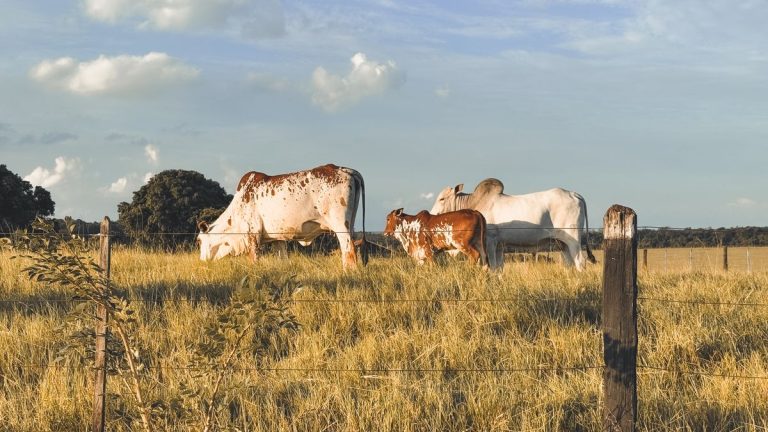
Small farms and ranches have an advantage that large row-crop operations often don’t: the ability to graze livestock directly on cover crops or crop residue between cash crop plantings. This integration adds a grazing income or feed value to what would otherwise be a bare or fallow field, while manure deposited during grazing returns organic matter and nutrients directly to the soil.
Common Mistakes When Starting Crop Rotation
New growers sometimes rotate crops from the same plant family back to back, such as following one nightshade crop with another, which doesn’t provide the pest and disease-breaking benefit true rotation is meant to achieve. Failing to plan rotations at least a season or two in advance is another common issue, since some of the benefits of rotation only show up over a multi-year cycle.
Final Thoughts
A thoughtful crop rotation plan builds healthier soil over time while reducing your dependence on purchased fertilizer and pest control. If you’re integrating livestock grazing into your rotation, stop by Ray’s Livestock & Feed Store for feed and fencing supplies to support the transition. For rotation planning tools specific to your region, your local USDA NRCS office offers free technical assistance.