
Ranching has always relied on close observation and hard-earned experience, but a new generation of technology is making it possible to manage land and livestock with a level of precision that simply wasn’t available a generation ago. You don’t need to adopt all of it at once, but understanding what’s out there helps you decide where technology might genuinely pay off on your operation.
GPS and Precision Agriculture
GPS-guided planting and spraying equipment reduces overlap and waste in row-crop and hay operations, improving input efficiency and cutting fuel and material costs over a season. Even relatively small operations are increasingly able to access this technology through equipment rental or contracted custom work rather than owning it outright.
Livestock Tracking and Electronic Ear Tags
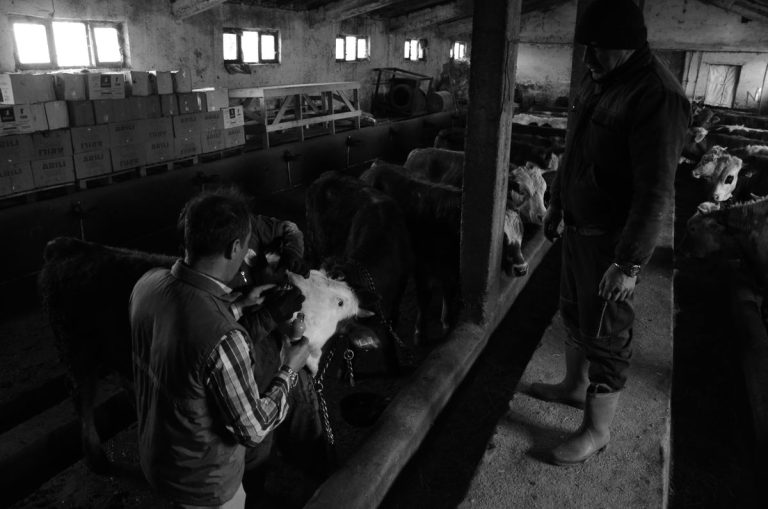
Electronic identification, commonly called EID, ear tags are becoming increasingly common and, in many cases, are required for cattle moved across state lines under current USDA animal disease traceability rules. Beyond regulatory compliance, EID tags make it far easier to keep accurate, searchable health and breeding records tied to individual animals rather than relying on paper records alone.
Virtual Fencing
One of the more significant recent developments is GPS collar-based virtual fencing, which uses sound cues and mild stimulus, similar in principle to an invisible dog fence, to keep livestock within a defined boundary without physical fencing. While still an emerging and relatively expensive technology for many small operations, it’s worth watching as costs come down, especially for managing rotational grazing across large or difficult terrain.
Drones for Pasture and Herd Monitoring
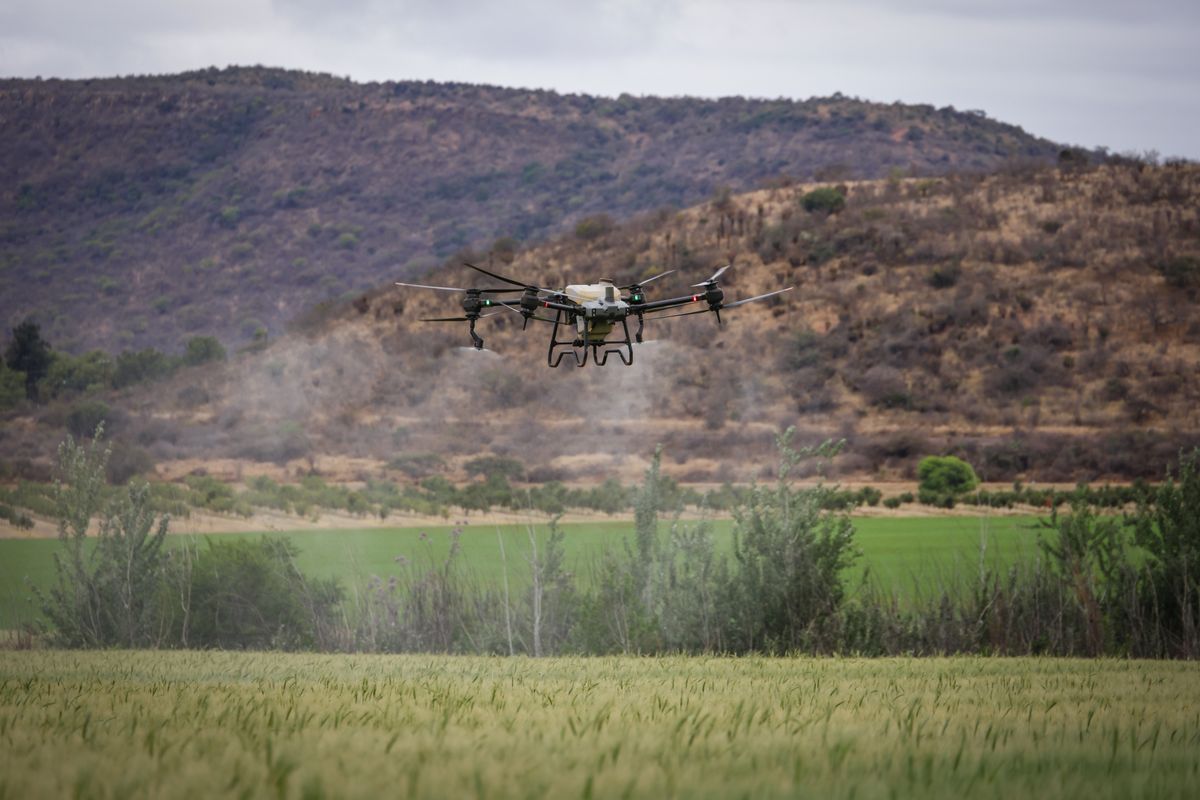
Drones offer an efficient way to scout large pastures for forage conditions, water availability, or fencing problems without spending hours on an ATV or horseback. Some ranchers also use drones to locate and check on livestock across large acreage, which can be especially useful during calving or lambing season when frequent checks matter most.
Weather and Soil Sensors
Affordable soil moisture sensors and on-farm weather stations help inform decisions about when to cut hay, when pastures are ready for grazing, or when irrigation is actually needed, reducing guesswork that used to rely entirely on experience and intuition.
Getting Started Without Overspending
Rather than adopting every available technology at once, most successful small operations start with whichever tool addresses their single biggest pain point, whether that’s water monitoring, herd records, or pasture scouting, and expand from there as the return on investment proves out.
Final Thoughts
Smart farming technology isn’t about replacing good stockmanship, it’s about giving you better information to make the same good decisions faster and more consistently. For traditional supplies alongside your tech upgrades, visit Ray’s Livestock & Feed Store or browse our livestock for sale and equipment selection. For current EID and traceability requirements, check the USDA APHIS website directly.