
Fencing is one of the first major investments any livestock owner makes, and choosing the wrong type for your species or budget can mean costly rework down the road. Here’s an honest look at the most common fencing options and where each one makes the most sense.
Barbed Wire
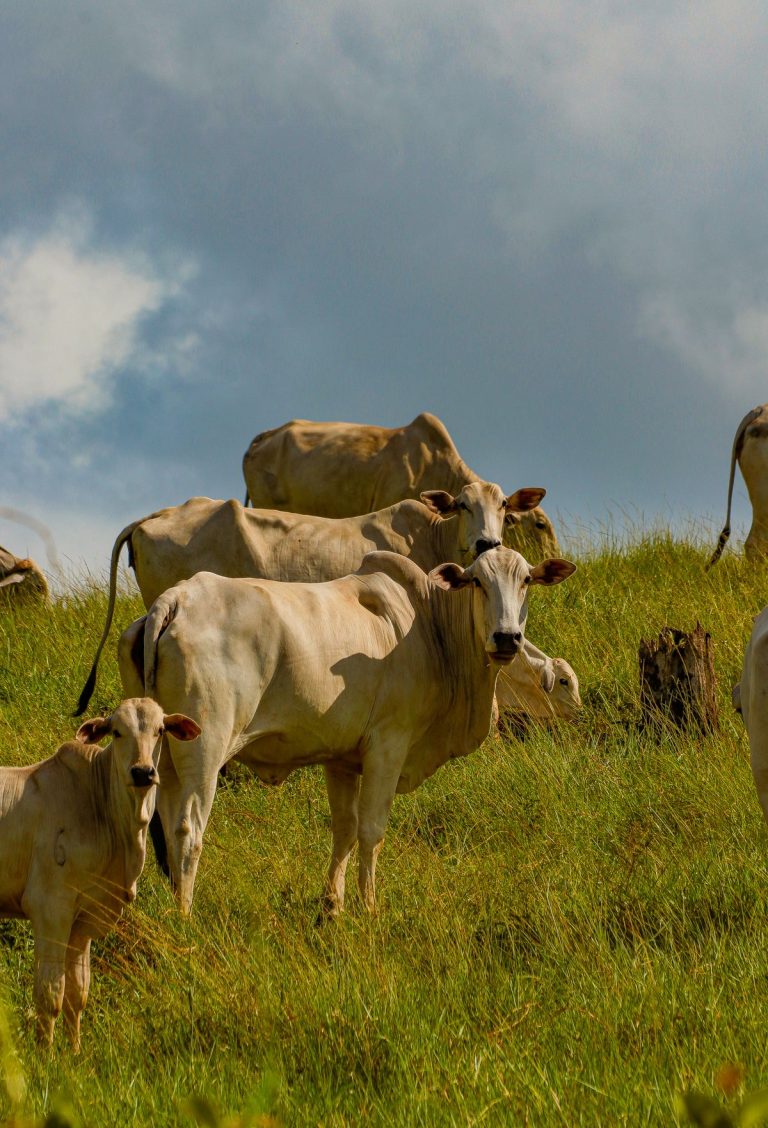
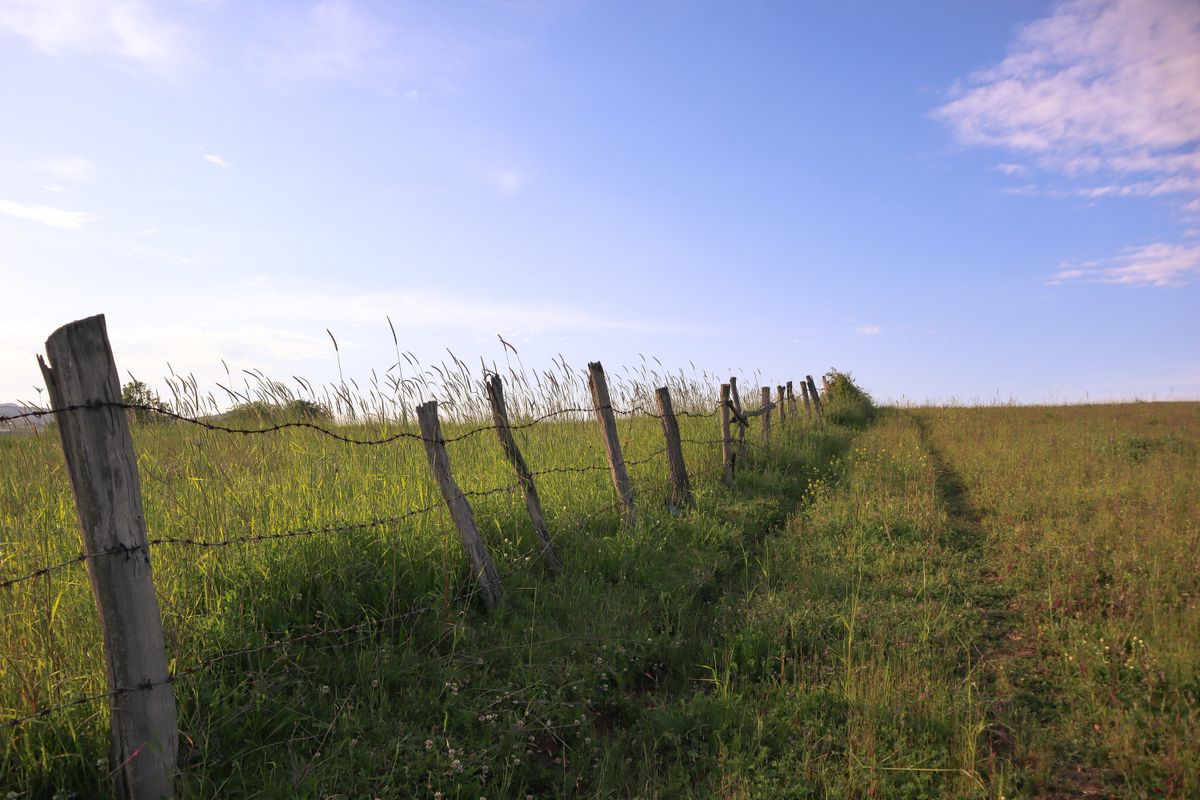
Barbed wire remains one of the most affordable options for cattle fencing and has been the standard on many cattle operations for generations. It is not a safe choice for horses, however, since horses are prone to panicking and can suffer severe injuries if they become tangled in the barbs.
Woven or Field Wire Fencing
Woven wire, sometimes called field fence or sheep fence, provides a solid physical barrier well suited to sheep and goats, which can slip through the wider spacing of barbed wire or standard cattle panels. It also offers better protection against ground predators than barbed wire alone.
Electric Fencing
Portable electric netting and polywire on step-in posts are among the most affordable and flexible options available, particularly popular for rotational grazing systems and for containing goats, which are notoriously skilled at testing weak fencing. Animals do need to be trained to respect an electric fence, usually by exposure to it in a smaller, controlled area before being turned out into a larger paddock.
High-Tensile Fixed-Knot Fencing
Fixed-knot, high-tensile fencing is a significant upfront investment but offers excellent long-term durability, making it a popular choice for permanent perimeter fencing on operations that want a fence built to last for decades with minimal maintenance.
Pipe and Wood Rail Fencing
For horses, pipe fencing and wood rail fencing are widely considered the gold standard, offering high visibility and a lower injury risk compared to wire fencing. These options come at a significantly higher cost per foot, which is why they’re most commonly used around barns, paddocks, and other high-traffic areas rather than an entire large perimeter.
Matching Fence Type to Species and Budget
The right fencing choice ultimately depends on which species you’re containing, your budget, and how permanent you need the fence line to be. Many operations use a mix, investing in more expensive, safer fencing like pipe or wood rail around barns and handling areas, while using more economical options like electric or woven wire for larger perimeter and pasture divisions.
Final Thoughts
Good fencing is one of the most important investments in your livestock’s safety and your own peace of mind. Stop by Ray’s Livestock & Feed Store to talk through fencing options for your specific setup and species, and browse our livestock supplies for what you need to get started. For fencing cost-share programs in your area, check with your local USDA NRCS office.