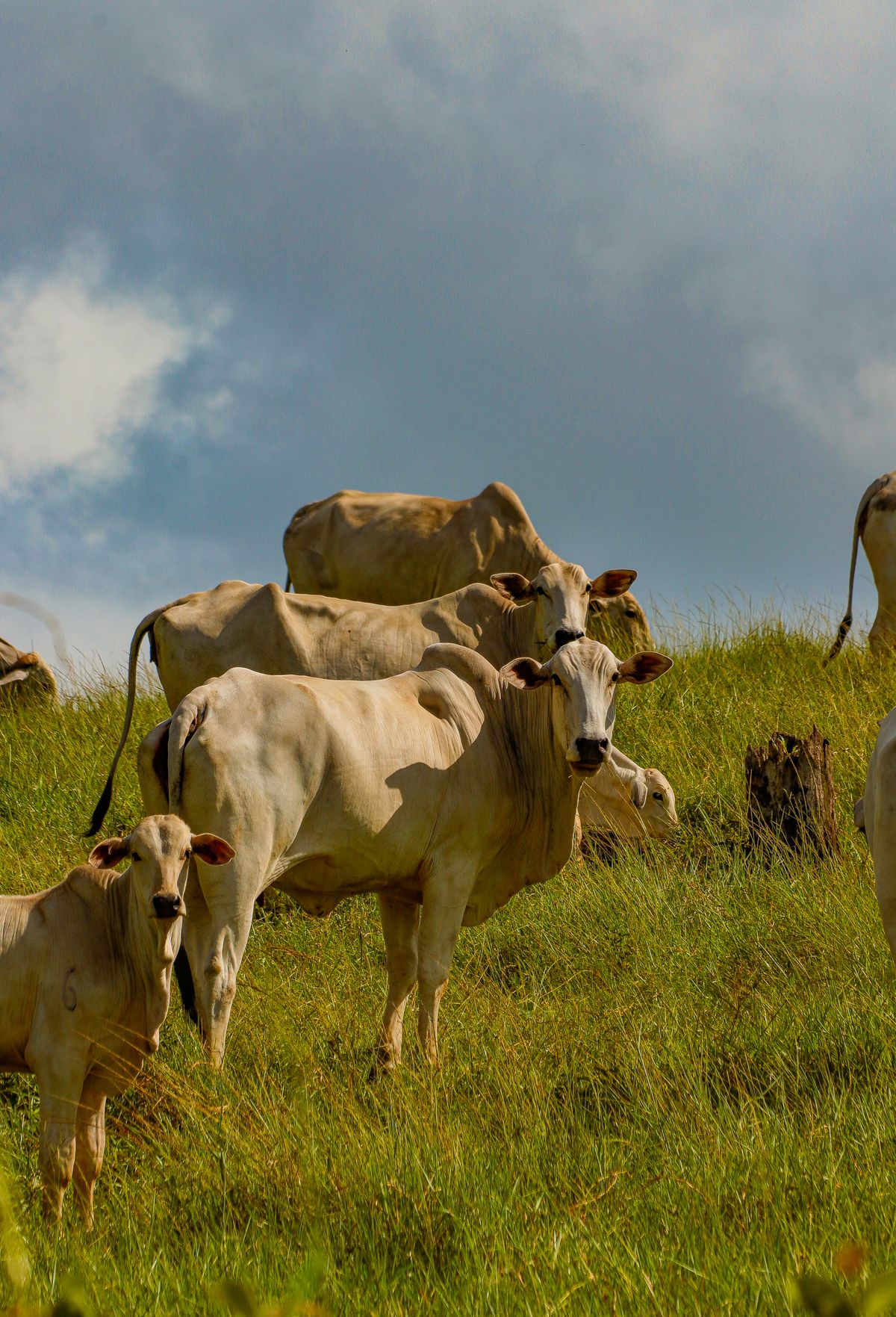

Starting a small cattle ranch is one of the most common goals we hear from customers walking into Ray’s Livestock & Feed Store for the first time. It’s also one of the easiest ventures to underestimate financially. Between land, fencing, breeding stock, and handling equipment, a realistic startup budget looks very different from what most beginners expect. This guide breaks down exactly what you need to plan for before you buy your first cow.
How Much Land Do You Need Per Cow?
Land requirements for cattle vary enormously by region and forage quality. In areas with good rainfall and managed pasture, a single cow-calf pair can often be supported on roughly 1.5 to 2 acres per year. In drier rangeland regions such as parts of West Texas or the high plains, that same cow-calf pair might require 20 acres or more to graze sustainably. Before buying any cattle, it’s worth having your local extension office or an experienced neighbor evaluate your pasture’s carrying capacity so you don’t overstock the land and damage it long term.
Startup Costs: Land, Cattle, Fencing, and Equipment
Land and Fencing
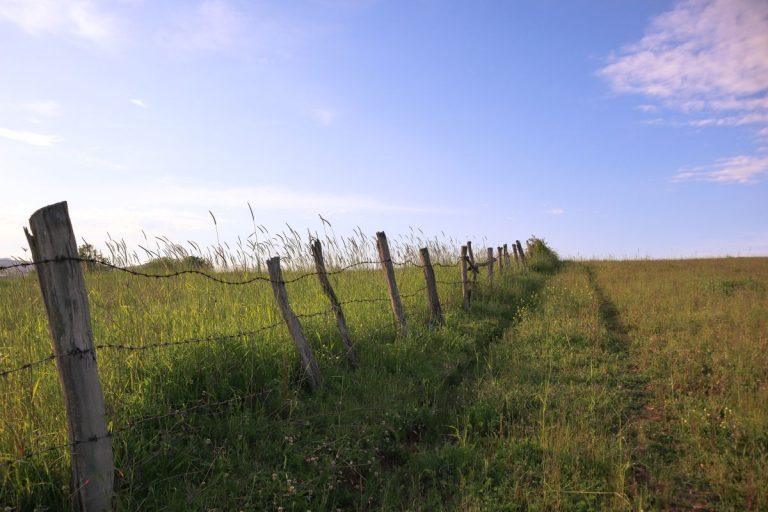
If you don’t already own suitable land, that will be your largest expense by far. Beyond the land itself, budget for perimeter fencing, which can run anywhere from around $2 to $4 per linear foot for woven wire or high-tensile electric fence, to considerably more for pipe fencing around handling areas. Cross-fencing for rotational grazing adds further cost but pays for itself over time in improved pasture health.
Cattle Purchase Costs
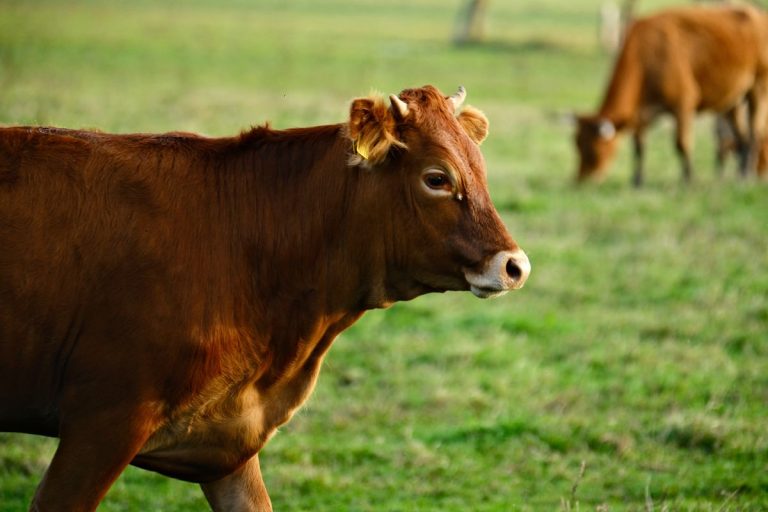
Bred heifers and cow-calf pairs typically range from around $1,500 to $3,000 or more depending on breed, region, and market conditions, with purebred or registered animals commanding a premium. Buying at a local livestock auction or directly from a reputable breeder are both common starting points, and it pays to have an experienced cattleman look over any animal with you before you buy.
Equipment and Infrastructure
At minimum, plan for a working chute or squeeze chute for safe handling, vaccinations, and pregnancy checks, a stock trailer for hauling, reliable fencing tools, and some form of tractor or ATV for feeding and pasture maintenance. Water access, whether from a well, pond, or municipal supply, is non-negotiable, since cattle can drink 10 to 20 gallons of water per day depending on size and weather.
Choosing the Right Cattle Breed for a Small Operation
Beginners often do well starting with well-known, adaptable breeds such as Angus or Hereford for beef production, both known for calm temperaments and strong maternal instincts. In hotter, humid climates, Brahman-influenced crossbred cattle handle heat and parasites noticeably better than straight British breeds. Talk with local ranchers and your county extension agent about which breeds perform best in your specific climate and forage conditions before committing to a breed.
Water, Shelter, and Handling Facilities
Cattle need consistent access to clean water and at least some form of windbreak or shade structure, particularly in regions with hot summers or harsh winters. A basic handling system, even a simple corral with a chute, dramatically reduces the risk of injury to both you and your animals during routine tasks like vaccinations, deworming, and loading for transport.
Feed and Pasture Management Costs
Well-managed pasture is by far the cheapest source of nutrition for cattle, but most operations still need supplemental hay during winter months or drought, along with mineral supplementation year-round. Rotational grazing, moving cattle between smaller paddocks rather than allowing continuous grazing on one large pasture, can significantly increase the number of cattle your land supports while improving soil and forage health over time.
Common Beginner Mistakes to Avoid
The most common mistakes new cattle owners make are overstocking their land beyond its carrying capacity, underestimating fencing and water infrastructure costs, and buying cattle before facilities are ready to handle them safely. Taking the time to build solid fencing, a reliable water source, and at least a basic handling system before your cattle arrive will save significant money and frustration down the road.
Final Thoughts
Starting a small cattle ranch is a serious financial and time commitment, but with realistic planning around land, fencing, equipment, and breed selection, it’s an achievable goal for many small landowners. When you’re ready to find your first animals, browse our cattle for sale or visit Ray’s Livestock & Feed Store to talk through what breed and setup makes sense for your property. For land-specific carrying capacity guidance, your local USDA NRCS office is an excellent free resource.