
Predator loss is one of the most frustrating problems a small livestock owner can face, and a well-chosen, well-raised livestock guardian dog is one of the most effective, lowest-cost solutions available. Choosing the right breed and raising it correctly, though, makes all the difference between a dog that protects your flock and one that becomes just another animal to manage.
What Makes a Good Livestock Guardian Dog
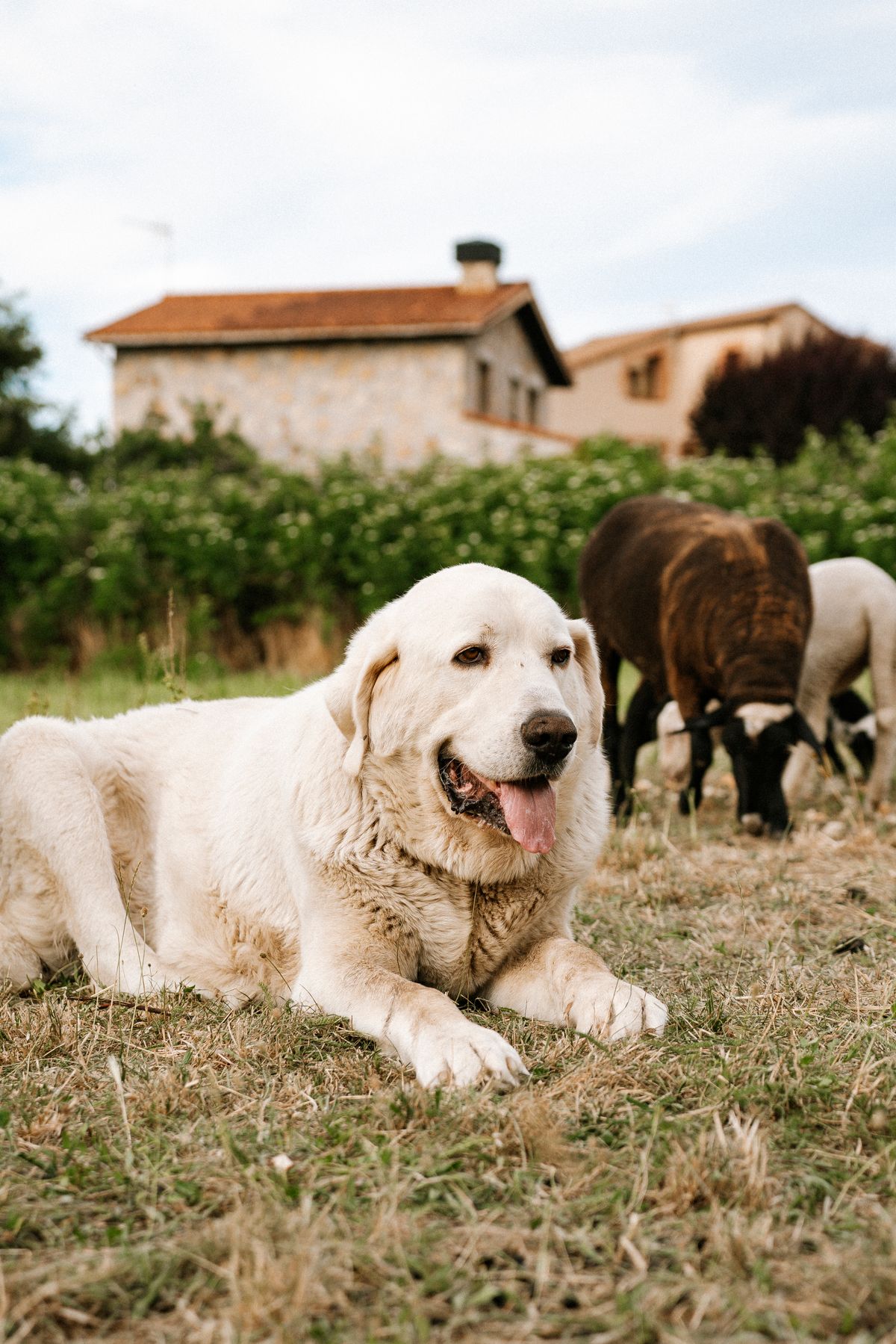
Livestock guardian dogs, often called LGDs, are a fundamentally different type of working dog than herding breeds. Rather than being trained to move or control livestock, a good LGD bonds directly with the animals it protects, often living among them full-time, and relies on size, presence, and independent decision-making to deter predators rather than following commands from a handler in real time.
Popular Livestock Guardian Dog Breeds
Several breeds have been developed over centuries specifically for this role. The Great Pyrenees is one of the most popular choices in the United States, known for a calm but vigilant temperament. Anatolian Shepherds are leaner and often more mobile, well suited to larger, open ranges. Akbash and Maremma Sheepdogs are also widely used, while Kangals, originally from Turkey, are prized in some regions for their size and imposing presence against larger predators like wolves.
One Dog or a Pair?
The right number of guardian dogs depends heavily on your predator pressure and the size of the area they need to patrol. A single dog can be adequate for smaller properties with light predator pressure such as coyotes or stray dogs, while larger operations or areas with heavier predator pressure, particularly from wolves or larger predator packs, often do better with two or more dogs working as a team.
Raising and Bonding a Guardian Dog With Livestock
Most successful guardian dogs are introduced to livestock as young puppies, often around eight weeks old, and raised in close, supervised proximity to the animals they’ll eventually protect. While the dog still needs basic handling, vaccinations, and veterinary care like any dog, excessive human socialization and play can actually work against the bonding process, since the goal is for the dog’s primary attachment to be to the livestock rather than to people.
Common Mistakes New Owners Make
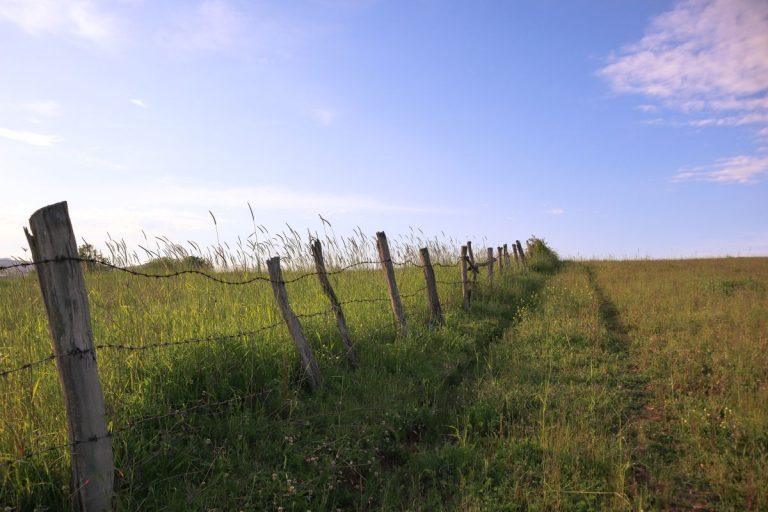
The most common mistake is treating a livestock guardian dog like a typical house pet or expecting herding-style obedience from it. Guardian breeds are bred to think and act independently, which can be misread as stubbornness by owners expecting a more typical working dog relationship. Fencing is another frequent issue, since many guardian breeds naturally patrol the edges of their territory and will roam if boundaries aren’t secure, so sturdy perimeter fencing is essential alongside the dog itself.
Final Thoughts
A well-matched livestock guardian dog, raised correctly from puppyhood, can dramatically reduce predator losses and pay for itself many times over. If you’re building out predator protection for your flock or herd, stop by Ray’s Livestock & Feed Store to talk through fencing and setup, and browse our sheep and goats for sale if you’re building a flock that will need protection. For more on specific guardian breed traits, the Livestock Conservancy is a helpful resource.