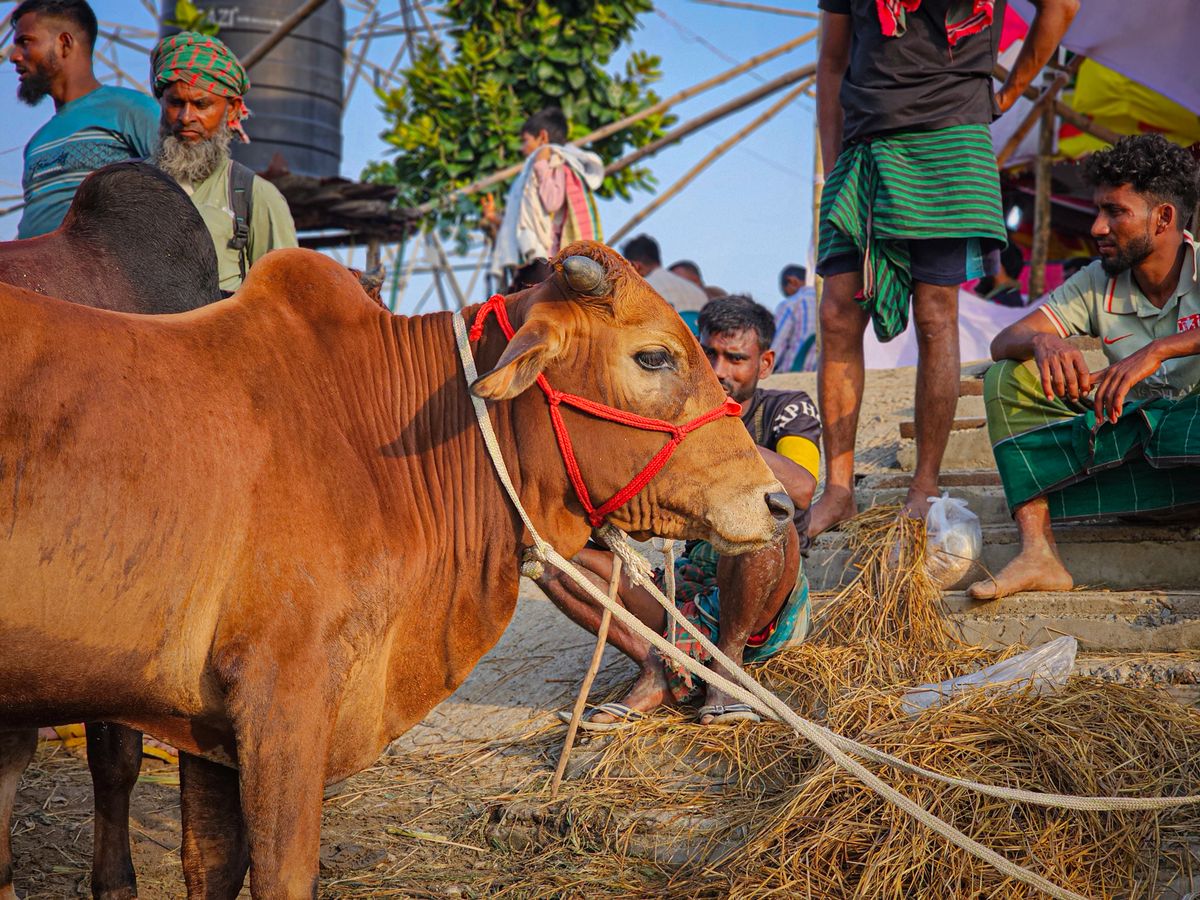

Livestock auctions can feel intimidating the first time you walk into a sale barn, with a fast-talking auctioneer, a ring full of animals, and prices flying by before you’ve had time to think. Once you understand how the process actually works, though, auctions become one of the most efficient ways to buy or sell livestock at a fair market price.
How a Livestock Auction Works
Animals are typically weighed in and sorted before the sale, then run through a sale ring one lot at a time where an auctioneer takes bids from buyers seated in the stands. Many buyers are order buyers, purchasing animals on behalf of feedlots, packers, or other operations rather than for themselves. The sale barn earns its income through a commission and yardage fee charged to sellers, in exchange for providing the facility, marketing, and auction service.
Types of Sales
Most sale barns run a weekly or regular sale handling a general mix of livestock, while larger or more specialized operations may also host special feeder cattle sales, purebred and production sales for registered breeding stock, or bred cow and pair sales at specific times of year. Online livestock auctions have also grown significantly, allowing buyers to bid remotely on cattle they’ve only seen through video and detailed listings.
Preparing to Buy at Auction
Set a maximum bid for each lot you’re interested in before the bidding starts, and stick to it. Arrive early enough to walk through and view the animals in the holding pens beforehand, since auction ring lighting and quick pacing make it hard to evaluate an animal closely once bidding begins. Also factor in shrink, the natural weight loss livestock experience from reduced feed and water intake during transport and handling, which affects the real value you’re getting relative to the weight shown at the sale.
Preparing to Sell at Auction
Sorting animals into uniform lots by weight, sex, and color typically brings a better price than selling a mixed group, since buyers, especially order buyers filling specific contracts, often pay a premium for consistency. Having health records and any vaccination paperwork ready can also improve buyer confidence and final price, particularly for feeder cattle headed to a backgrounding operation or feedlot.
Understanding Pricing
Cattle and many other livestock are commonly priced per hundredweight, meaning cents per pound rather than a flat per-head price, so a heavier animal at a lower per-pound price can still sell for more in total than a lighter animal at a higher rate. The USDA Market News service publishes public price reports for many regional sale barns, which is a useful tool for getting a sense of fair market value before you buy or sell.
Common Beginner Mistakes
New buyers often get caught up in the pace of the ring and bid past their planned maximum, or fail to inspect animals closely enough beforehand. New sellers sometimes bring poorly sorted, mixed lots to market and are surprised when the price comes in lower than expected. Taking the time to plan ahead on both sides of the transaction pays off consistently.
Final Thoughts
Livestock auctions remain one of the most transparent, efficient ways to establish fair market value for animals. If you’re looking to buy quality, well-cared-for livestock, browse our current livestock for sale at Ray’s Livestock & Feed Store, or stop by to talk with our team about upcoming sales. For regional price benchmarks, the USDA Market News service is a free, reliable reference.