
Sheep are one of the most beginner-friendly livestock animals you can raise, requiring less land than cattle or horses and less specialized housing than many other species. At Ray’s Livestock & Feed Store in Houston, sheep are a popular starting point for families and small acreage owners who want to raise their own meat or fiber without the larger investment that cattle or horses require. This guide covers everything a beginner needs to know before bringing home their first flock.
Why Raise Sheep?
Sheep are efficient grazers, generally easygoing to handle, and reproduce quickly compared to cattle, often producing one or two lambs per year per ewe. They can be raised for meat, wool, or dairy, and their smaller size makes them manageable for handlers of nearly any experience level, including children involved in 4-H or FFA projects.
How Much Land Do Sheep Need?
Sheep require significantly less space than cattle, with a general guideline of six to eight sheep per acre on quality improved pasture, though this varies with forage quality and rainfall. Because sheep are herd animals prone to predation, most owners keep a minimum of two to three animals and invest in secure perimeter fencing.
Choosing the Right Breed
Breed selection should be based on whether your primary goal is meat, wool, or a dual-purpose animal, along with how well the breed tolerates Gulf Coast heat and humidity.
Dorper
Our Dorper sheep are a hair breed, meaning they shed their coat naturally and never need shearing, which makes them an excellent low-maintenance choice for beginners in hot climates like Houston.
Suffolk
Our Suffolk sheep are a popular meat breed known for fast growth rates and good muscling, making them a common choice for owners raising lambs for market or personal consumption.
Merino
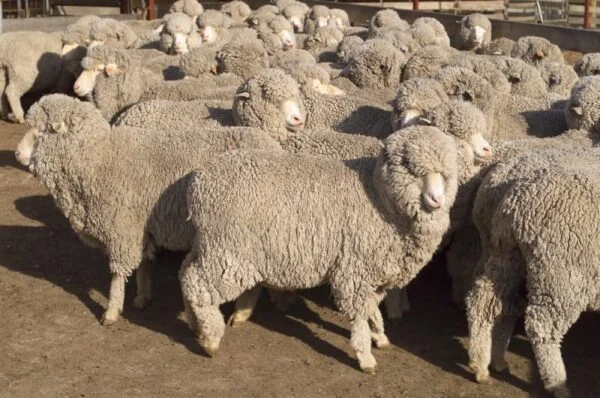
Merino sheep are prized for producing some of the finest, softest wool of any breed, making them the top choice for owners interested in fiber production rather than meat.
Browse our full sheep for sale selection to compare breeds available near Houston.
Fencing and Shelter
Sheep need secure woven wire or electric netting fencing, both to keep them contained and to keep predators like coyotes and stray dogs out, since sheep have very few natural defenses. A three-sided shelter or barn is sufficient for most of the year in Houston’s mild climate, offering protection mainly from heavy rain and summer sun rather than extreme cold.
Feeding Your Sheep
Pasture and hay should make up the majority of a sheep’s diet, with grain supplementation reserved for pregnant or nursing ewes and lambs being finished for market. A mineral supplement formulated specifically for sheep is important, since sheep are highly sensitive to excess copper found in some cattle and goat mineral mixes and can be poisoned by it.
Basic Health Care
Routine care for sheep includes regular hoof trimming, deworming based on fecal egg counts rather than a fixed calendar, and annual vaccinations for common clostridial diseases. According to Texas A&M AgriLife Extension, internal parasites are one of the leading health challenges for sheep in humid climates like the Gulf Coast, making a proactive deworming and pasture rotation plan essential.
How Much Does It Cost to Get Started?
Startup costs include the animals themselves, fencing, a shelter, and a mineral and feed program, with fencing typically the largest upfront expense. Compared to cattle or horses, sheep are one of the more affordable livestock options for beginners with limited acreage and budget.
Buying Your First Sheep
Look for sheep that are alert, move without limping, have clear eyes, and come from a seller who can speak to vaccination history and parasite management. Our team at Ray’s Livestock & Feed Store is happy to help first-time buyers choose the right breed. Visit our sheep for sale page or contact us with questions.
Frequently Asked Questions
How many sheep should a beginner start with?
Most beginners start with three to five ewes, since sheep are herd animals that become stressed when kept alone, and a small group is easier to manage than a single animal.
Do sheep need shearing?
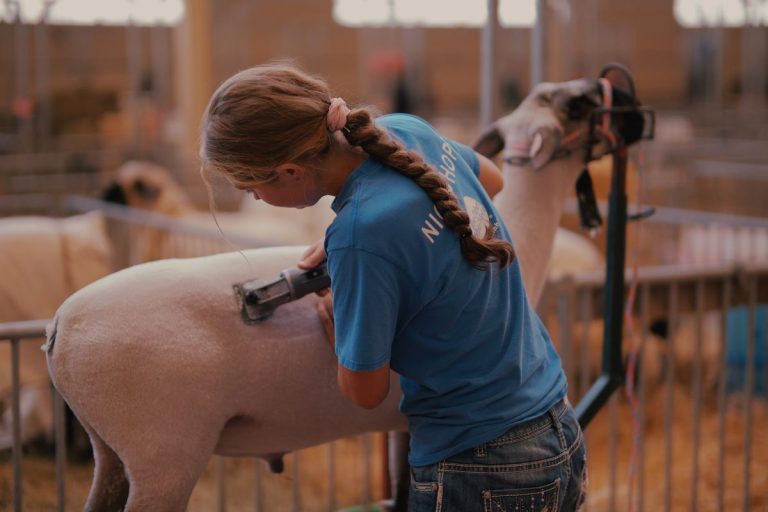
Wool breeds need annual shearing, but hair breeds like Dorper shed naturally and never require shearing, which is one reason they are popular with beginners.
Are sheep easier to raise than goats?
Sheep and goats have similar space and fencing needs, but sheep are generally calmer and less prone to escaping than goats, which some beginners find easier to manage.
Final Thoughts
Sheep are one of the most accessible livestock species for beginners, offering a smaller footprint, manageable temperament, and flexible use for meat, wool, or both. Ready to start your flock? Browse our current livestock for sale or stop by Ray’s Livestock & Feed Store to talk through the right breed for your property.