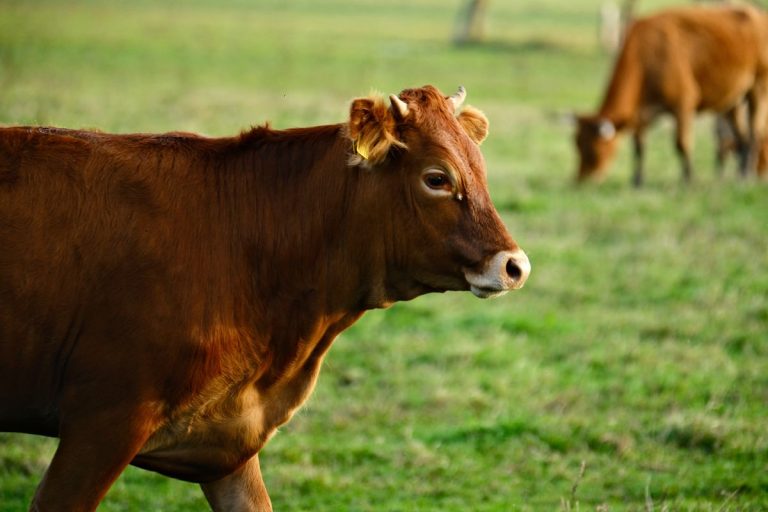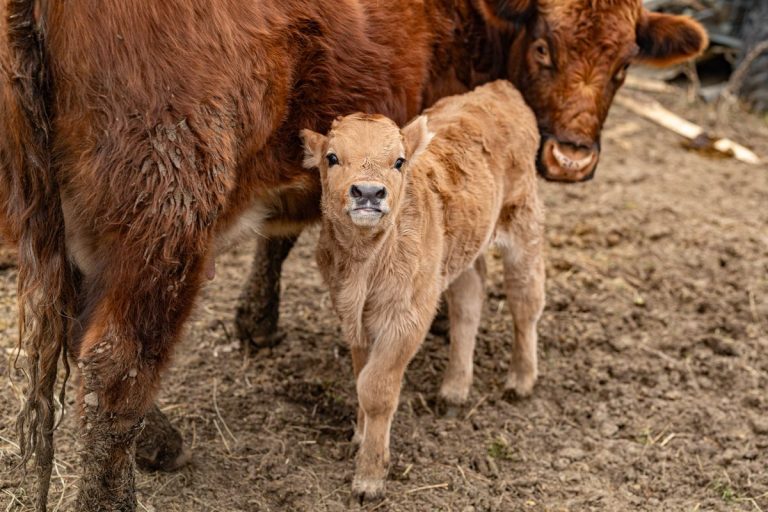

Cattle are one of the most rewarding investments a small farm can make, but they are also one of the biggest commitments a beginner will take on. A single cow can weigh well over 1,000 pounds, live for over a decade, and require daily attention to water, forage, and health. At Ray’s Livestock & Feed Store in Houston, we work with first-time cattle owners every week, and the questions are almost always the same: how much land do I need, what breed should I start with, and how do I keep my herd healthy? This guide walks through everything a beginner needs to know before bringing home their first cattle.
Why Raise Cattle on a Small Farm?
Cattle convert grass, a resource most small farms already have in abundance, into meat, milk, and income. Unlike row crops, pasture-raised cattle require relatively little daily labor once your fencing and water systems are in place. Many small farm owners start with just two or three head, both to produce their own beef and to test whether cattle ownership fits their land and lifestyle before scaling up.
How Much Land Do You Need?
Land requirements depend heavily on your local forage quality and rainfall. In the Houston area, where humid subtropical grasses grow well most of the year, a general rule of thumb is one to two acres of improved pasture per cow-calf pair. Rocky, sandy, or poorly managed pasture may require three to five acres per animal instead. If you are working with less land, rotational grazing across smaller paddocks can significantly increase the number of cattle your property supports without overgrazing.
Choosing the Right Breed
Breed selection depends on your goals, climate, and experience level. Some breeds handle Gulf Coast heat and humidity far better than others, and this matters more than most beginners expect.
Brahman and Brahman-Influenced Breeds
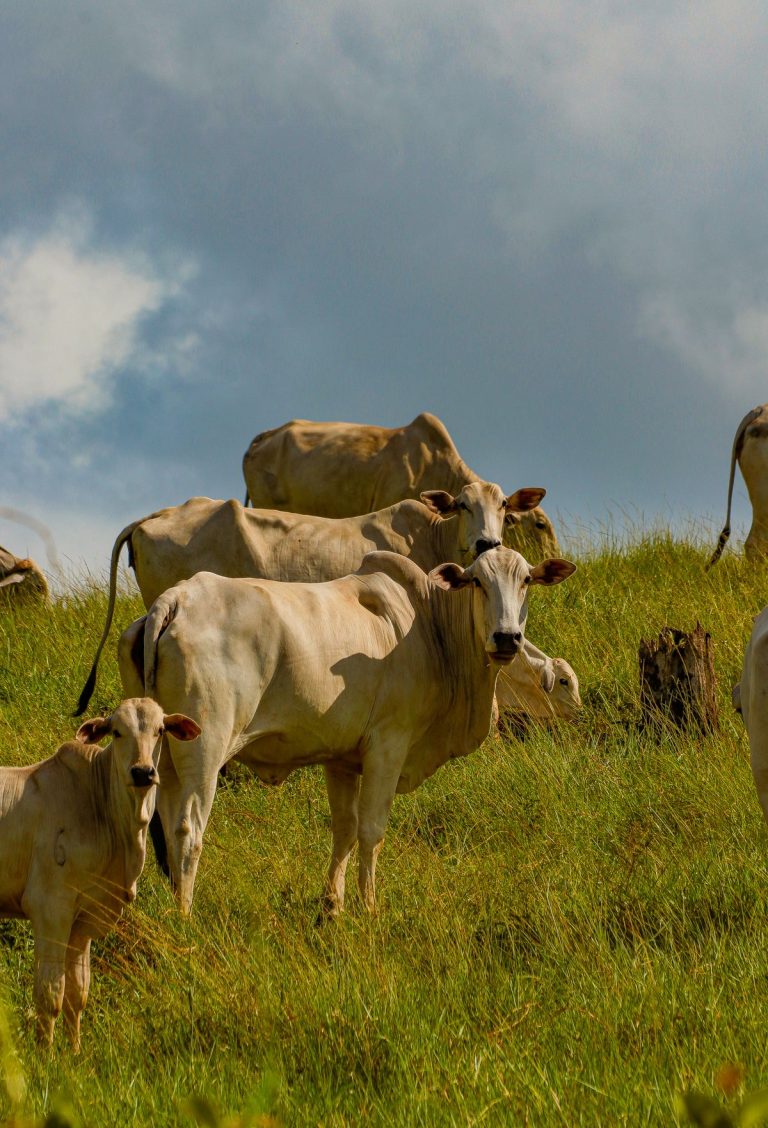
Our Brahman cattle are a favorite among Houston-area buyers because of their loose skin, sweat glands, and heat tolerance, all of which help them thrive in Texas summers where many British breeds struggle. Brahman-cross cattle also tend to have strong maternal instincts and good disease resistance.
Angus
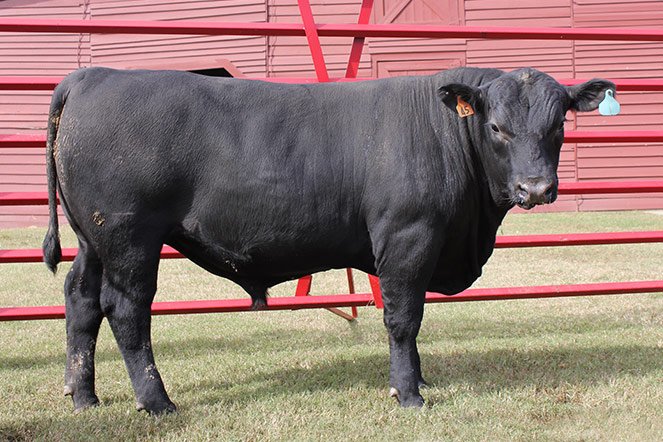
Our Angus cattle are prized for marbled, high-quality beef and calm temperaments, making them a good choice for beginners who want a gentle animal to handle. Angus do best with some afternoon shade during peak summer heat.
Hereford
Our Hereford cattle are hardy, efficient grazers known for their easygoing nature and strong foraging ability on less-than-perfect pasture, making them a practical option for smaller operations.
Beginners in hot climates often do best starting with a Brahman-influenced animal or a Brahman cross, then adding Angus or Hereford genetics once they are comfortable managing a herd. You can browse our full cattle for sale selection to compare available breeds.
Fencing and Housing
Cattle are strong enough to push through weak fencing, so perimeter fences should be well-built, whether that means five-strand barbed wire, woven wire, or high-tensile electric fencing. Interior cross-fencing for rotational grazing can be lighter, often a single or double strand of electric wire. Cattle also need a shelter or windbreak, such as a run-in shed or tree line, along with shade during summer months, since heat stress is one of the most common health issues in Gulf Coast herds.
Feeding and Water
Pasture and hay make up the bulk of a beef cow’s diet, supplemented with a mineral block formulated for cattle to correct regional soil deficiencies. Calves being weaned or cattle being finished for beef often need additional grain or a balanced feed ration. Water access is critical: a mature cow can drink 10 to 20 gallons per day, more in summer heat, so a reliable trough or automatic waterer is essential rather than optional.
Basic Health Care
New cattle owners should establish a relationship with a local large-animal veterinarian before they need one in an emergency. Routine care includes annual vaccinations, deworming on a schedule appropriate for your region, hoof checks, and monitoring body condition score throughout the year. According to Texas A&M AgriLife Extension, parasite control and proper mineral supplementation are two of the most overlooked factors in cattle health on small operations, and both are inexpensive compared to treating a sick or underweight animal later.
How Much Does It Cost to Get Started?
Costs vary widely by breed and region, but new cattle owners should budget for the animal itself, fencing and water infrastructure, a mineral and feed program, veterinary care, and hay for the winter months when pasture growth slows. Many beginners underestimate infrastructure costs, particularly fencing, which is often the single largest upfront expense on a new cattle operation.
Buying Your First Cattle
When you are ready to buy, look for cattle that are alert, move easily without limping, have clear eyes and a shiny coat, and come from a seller who can answer questions about vaccination history and temperament. Our team at Ray’s Livestock & Feed Store is happy to walk first-time buyers through breed selection, expected costs, and what to look for in a healthy animal. Visit our cattle for sale page or contact us to ask questions before you buy.
Frequently Asked Questions
How many cattle should a beginner start with?
Most new owners start with two to three head rather than a single animal, since cattle are herd animals and tend to become stressed when kept alone.
Do I need a bull to raise cattle?
No. Many small farms keep only cows or steers and either use artificial insemination or rent a bull temporarily if they want to breed, which avoids the cost and risk of keeping a bull year-round.
What is the easiest cattle breed for a first-time owner in Texas?
Brahman and Brahman-cross cattle are often recommended for Houston-area beginners because of their heat tolerance, though Hereford and Angus are also popular for their calm temperaments.
Final Thoughts
Raising cattle on a small farm is a long-term commitment, but with the right breed, adequate land, solid fencing, and a basic health care routine, it is an achievable and rewarding project for beginners. Ready to get started? Browse our current livestock for sale or stop by Ray’s Livestock & Feed Store to talk through what breed and setup makes sense for your property.