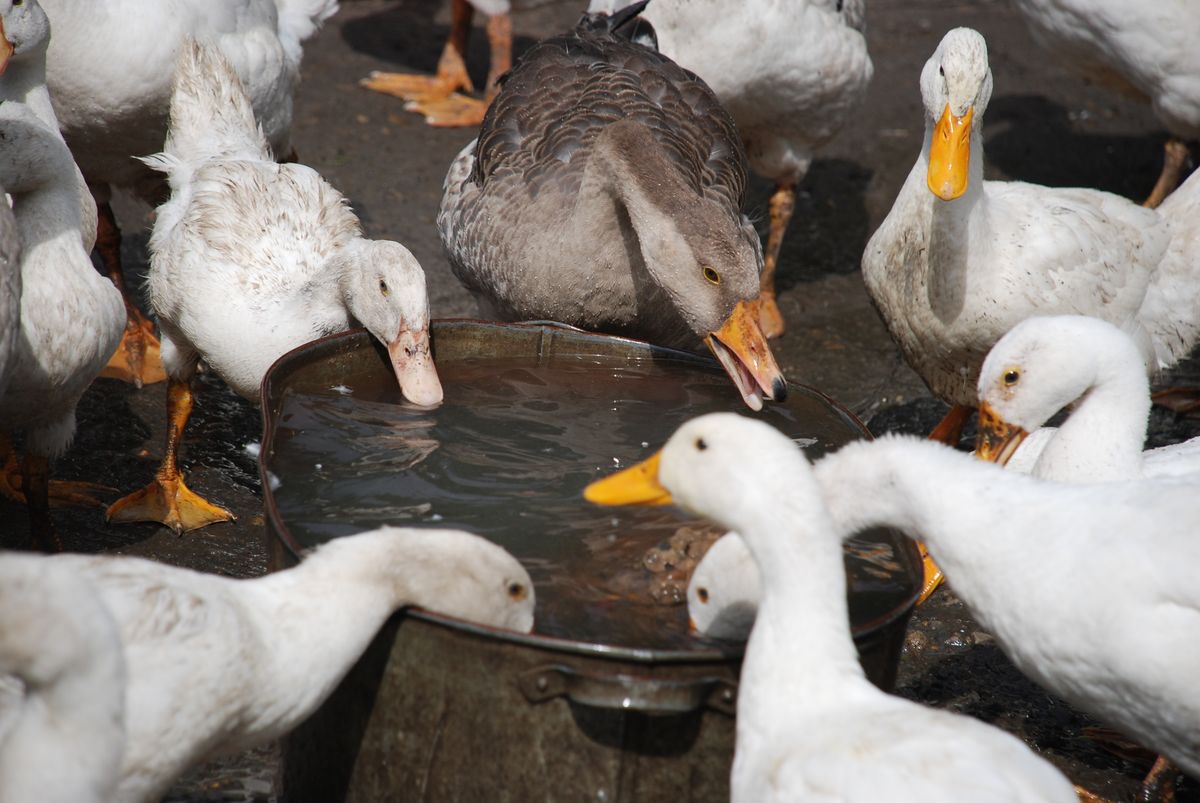

Ducks and geese are two of the most overlooked additions to a small farm or backyard homestead, yet they are often hardier, quieter to maintain in terms of daily labor, and more useful for pest and weed control than chickens. At Ray’s Livestock & Feed Store, we regularly talk with customers who started with a small flock of laying hens and later discovered that a few ducks or geese rounded out their homestead in ways they never expected. This guide walks you through everything a beginner needs to know before bringing home their first waterfowl.
Why Ducks and Geese Belong on Your Homestead
Waterfowl offer several practical advantages over chickens. Ducks are far less susceptible to many of the mites and external parasites that plague chicken flocks, largely because their preening oil and feather structure make it harder for parasites to take hold. Geese, meanwhile, are natural grazers that can maintain a pasture almost entirely on grass once they are mature, cutting your feed bill dramatically compared to any other type of poultry. Both species also tend to be more cold-hardy than chickens, which matters if you experience harsh winters.
Beyond meat and eggs, ducks are exceptional at controlling slugs, snails, and insect pests in a garden, while geese have historically been used as “weeder geese” in row crops such as cotton and strawberries because they graze grass and weeds but tend to leave broadleaf crop plants alone once trained to a specific crop.
Choosing the Right Breed for Your Goals
Best Duck Breeds for Beginners
- Pekin: The classic white duck, calm, fast-growing, and dual-purpose for meat and eggs. This is the breed most commonly sold in feed stores.
- Khaki Campbell: A prolific egg layer capable of 250-300 eggs a year, rivaling many chicken breeds.
- Indian Runner: An upright, bottle-shaped duck that is an outstanding forager and excellent at slug and insect control in the garden.
- Muscovy: Technically a different species than other domestic ducks, Muscovies are quiet, strong foragers, and known for lean, flavorful meat.
Best Goose Breeds for Beginners
- Embden: A large white breed raised primarily for meat, known for calm temperament when raised from goslings.
- Toulouse: A heavy gray breed, gentle and popular for both meat and as a friendly homestead companion.
- Chinese Geese: Smaller, excellent grass grazers, and notoriously loud, which makes them a reliable natural alarm system against intruders or predators.
Housing, Fencing, and Water Requirements
Ducks and geese need far less elaborate housing than chickens. A simple three-sided shelter with a solid roof to block wind and rain is usually sufficient, though the structure must be secure and closed up at night to protect against raccoons, foxes, coyotes, and birds of prey. Unlike chickens, waterfowl do not need roosts or nest boxes off the ground; they are content nesting in clean straw at floor level.
While ducks and geese do not require a full pond, access to water deep enough to submerge their entire head is important for eye and nostril health, and swimming water significantly improves fertility rates in breeding flocks. A simple livestock tank or a plastic kiddie pool refreshed regularly works well for a small backyard flock. Fencing should be sturdy enough to keep predators out, and electric poultry netting is a popular, effective option for rotational grazing setups.
Feeding Ducks and Geese the Right Way
One of the most important things a new waterfowl owner needs to know is that ducklings and goslings should not be raised on standard medicated chick starter long term. Waterfowl require more niacin than chickens, and a diet deficient in niacin can cause leg weakness and a wing deformity known as “angel wing” in young, fast-growing birds. Whenever possible, feed a dedicated waterfowl or gamebird starter, or supplement a standard poultry starter with brewer’s yeast to boost niacin levels. Adult geese are primarily grazers and can meet most of their nutritional needs from a well-managed pasture, with grain offered only as a supplement in winter or on poor pasture. Ducks benefit from a layer or maintenance feed alongside their natural foraging of insects, slugs, and aquatic vegetation.
Brooding Ducklings and Goslings
Newly hatched ducklings and goslings need a brooder temperature of around 90 degrees Fahrenheit for the first week, reduced by about five degrees each week until they are fully feathered. Because waterfowl chicks are messy with water from dabbling and drinking, brooder bedding needs to be changed more frequently than a chick brooder to prevent damp, bacteria-laden conditions. The good news is that ducklings and goslings feather out faster than chicks and can typically handle cooler outdoor temperatures sooner, provided they have a dry, draft-free shelter to retreat to.
Common Health Issues and Predator Protection
Ducks and geese are generally hardy, but new owners should watch for a few key issues: angel wing in fast-growing juveniles (managed through proper diet), bumblefoot from rough or wet housing surfaces, and botulism risk from stagnant, dirty water sources during hot weather. Predators are the single greatest threat to a backyard flock. Secure housing at dusk, hardware cloth over any openings, and a well-fenced range are essential, since ducks and geese are far less able to escape ground predators than chickens are.
Ducks and Geese as Natural Pest and Weed Control
A flock of two or three geese can help maintain a quarter acre of lawn or pasture largely through grazing alone, reducing mowing needs. Ducks patrol garden beds for slugs, snails, grasshoppers, and other pests, often outperforming chickens because they don’t scratch up mulch and are less likely to damage young seedlings when supervised. Many homesteaders rotate a small duck flock through the garden after the growing season to clean up pests before winter.
Final Thoughts
Ducks and geese make a rewarding, low-maintenance addition to almost any homestead, offering meat, eggs, pest control, and personality in equal measure. If you’re ready to start your own flock, stop by Ray’s Livestock & Feed Store or browse our poultry for sale and feed supplies, or visit our full livestock for sale selection to find the right birds and feed for your operation. For additional research-backed guidance on poultry health and nutrition, resources like Penn State Extension are a great next step.