
Dairy goats are one of the most productive small livestock investments a family can make, providing fresh milk daily once established. At Ray’s Livestock & Feed Store in Houston, dairy breeds like Nubians and Saanens are consistently popular with families wanting a reliable homestead milk source. This guide covers the basics of raising goats for milk, from breed selection to daily milking routine.
Why Raise Dairy Goats?
A single dairy doe can produce anywhere from one to three gallons of milk per day at peak lactation, far more than most families can drink, making shared or sold milk a realistic bonus. Goats are smaller and easier to handle than dairy cattle, require less land, and many people who are sensitive to cow’s milk find goat milk easier to digest.
Choosing a Dairy Breed
Not all goats are good milkers. Dedicated dairy breeds have been developed specifically for high milk production and longer lactation periods.
Nubian
Our Nubian goats are known for high butterfat content, which makes their milk especially good for cheese and soap making, along with a friendly, vocal personality.
Saanen
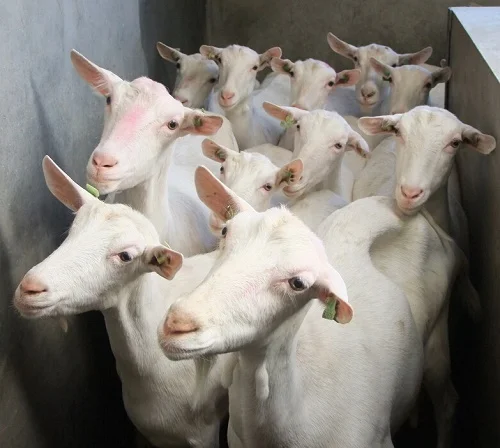
Our Saanen goats are one of the highest-volume dairy breeds available, known for calm temperaments and consistent, heavy milk production throughout a long lactation.
Browse our full goats for sale selection to compare dairy breeds available near Houston.
Getting Your Doe Ready to Milk
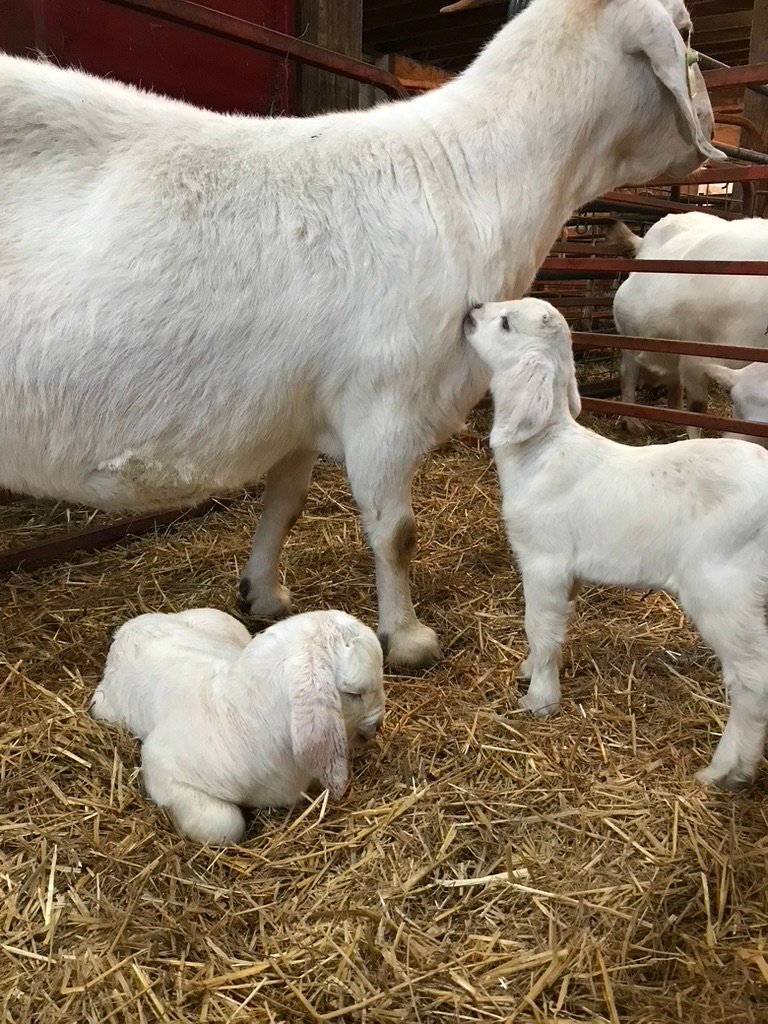
A doe must freshen, meaning give birth, before she will produce milk, and most dairy does are bred once a year to maintain production. Lactation typically lasts around ten months, giving families a long window of milk before the doe needs to be bred again or allowed to dry off and rest.
Daily Milking Routine
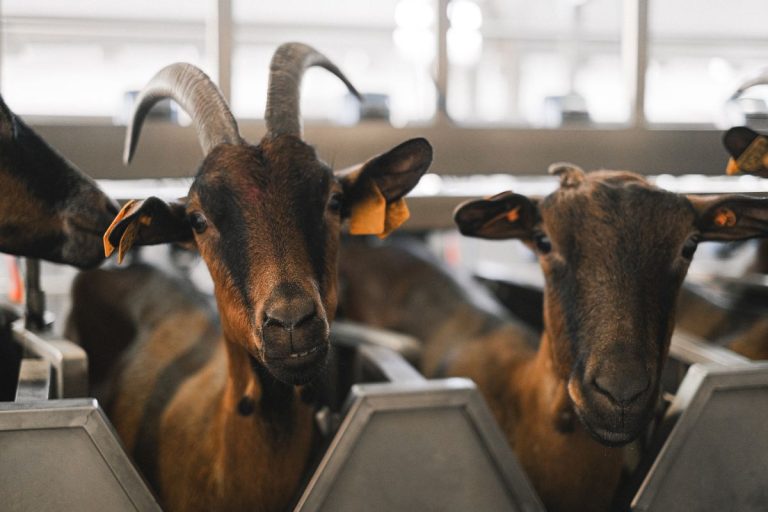
Most families milk twice a day, roughly twelve hours apart, using a simple milking stand to keep the doe still and comfortable. Consistency matters: goats do best on a predictable schedule, and skipping milkings can reduce production and cause discomfort. A clean, dedicated milking area helps keep the milk free of off-flavors and contamination.
Feeding Dairy Goats
Lactating does need more calories and protein than dry goats or meat breeds, typically through a combination of quality hay, pasture browse, and a dairy-specific grain ration fed during milking. Fresh water and a goat-specific mineral supplement are essential, since dairy production places extra demands on a doe’s body.
Basic Health Care
Routine hoof trimming, regular deworming, and monitoring for signs of mastitis are all part of keeping a dairy herd healthy and productive. According to Texas A&M AgriLife Extension, udder health checks during milking are one of the simplest ways owners can catch mastitis early, before it affects milk quality or the doe’s long-term health.
Buying Your First Dairy Goats
Look for does with well-formed udders, no history of mastitis, and calm temperaments, from a seller who can speak to milk production history. Our team at Ray’s Livestock & Feed Store can help match first-time dairy goat owners with the right doe. Visit our goats for sale page or contact us with questions.
Frequently Asked Questions
How much milk does a dairy goat produce per day?
A healthy dairy doe at peak lactation can produce one to three gallons of milk per day, depending on breed, diet, and stage of lactation.
Do you need two goats to get milk?
While only the doe being milked produces milk, goats are herd animals and should not be kept alone, so most owners keep at least two goats even if only one is currently in milk.
How long does a dairy goat produce milk after giving birth?
Most dairy does milk for about ten months following freshening, after which they are typically dried off before their next pregnancy.
Final Thoughts
Raising dairy goats is a rewarding way to produce fresh milk at home, and with the right breed and a consistent routine, it’s an achievable project for beginners. Ready to start your dairy herd? Browse our current livestock for sale or stop by Ray’s Livestock & Feed Store to find the right doe for your family.