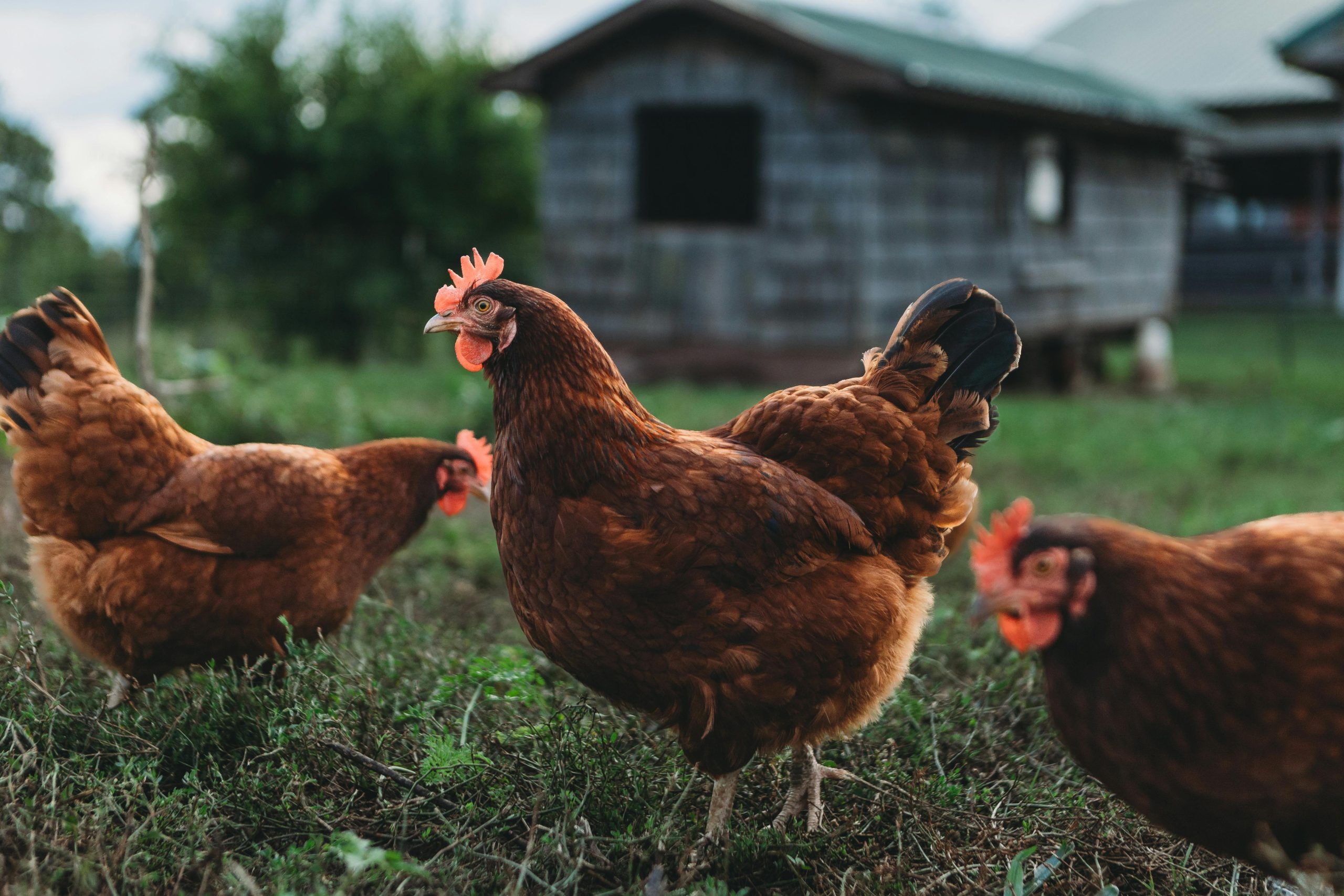

Backyard chickens are the gateway animal for most new homesteaders, and for good reason. A small flock needs relatively little space, produces fresh eggs within about five to six months, and teaches the basics of daily animal care before you scale up to larger livestock. At Ray’s Livestock & Feed Store in Houston, ready-to-lay hens are one of our most popular sales for exactly this reason. This guide covers what a beginner actually needs to know before bringing chickens home.
Check Your Local Rules First
Before buying a single chick, check your city or county ordinances. Many municipalities in the greater Houston area allow backyard hens but restrict flock size, require a minimum distance from property lines, or prohibit roosters entirely because of noise complaints. Rules vary block by block in some cases, so a quick call to your local city code enforcement office can save you a costly mistake.
Choosing a Breed
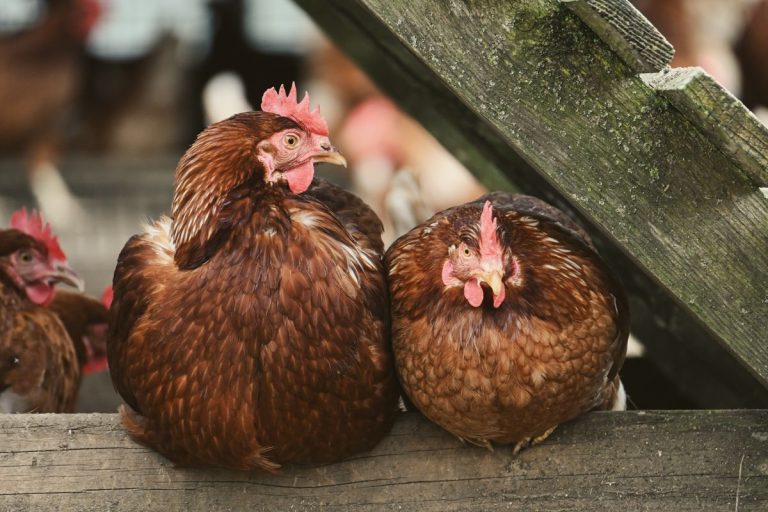
For beginners focused on egg production, dual-purpose breeds like Rhode Island Reds, Plymouth Rocks, and Australorps are excellent choices because they are hardy, calm, and reliable layers in hot, humid climates like Houston’s. We regularly carry Rhode Island Red ready-to-lay hens, which skip the months of brooding a chick and get you straight to fresh eggs.
Housing and Coop Requirements
Each adult chicken needs roughly 3 to 4 square feet of indoor coop space and 8 to 10 square feet of outdoor run space to stay healthy and avoid the stress-related pecking problems that come from overcrowding. The coop needs to be predator-proof from every angle, including the bottom, since raccoons, snakes, and hawks are a real threat in most Texas neighborhoods, not just rural ones. Roosts should be provided so birds can sleep off the ground, and at least one nesting box for every three to four hens keeps egg-laying organized and reduces egg breakage.
Feeding Your Flock
Chicks need a specially formulated starter feed with higher protein for the first eight weeks, then a grower feed until they begin laying around 18 to 20 weeks of age, at which point they should transition to a complete layer feed with added calcium for strong eggshells. Oyster shell can be offered free-choice on the side as an extra calcium boost for hens in heavy lay. Kitchen scraps and free-ranging on bugs and grass are great supplements but should never replace a nutritionally complete feed as the base of the diet.
Health and Predator Management
Healthy backyard flocks need clean water at all times, a dry coop to prevent respiratory illness, and regular observation for mites, lice, or signs of illness like lethargy or reduced appetite. The USDA’s Animal and Plant Health Inspection Service maintains ongoing biosecurity guidance for backyard flocks that is worth reviewing, particularly around keeping wild waterfowl away from your birds and quarantining any new arrivals for at least two weeks before introducing them to an existing flock.
How Much Does It Cost to Raise Backyard Chickens?
Startup costs vary widely depending on whether you build or buy a coop, but ongoing costs are fairly modest: feed is the largest recurring expense, followed by bedding and occasional health supplies. Buying started or ready-to-lay hens instead of day-old chicks costs more upfront per bird but removes weeks of brooding costs, equipment, and the risk of chick mortality, which is why many first-time owners find it a better value overall.
Getting Started
When you’re ready to start, browse our current hens for sale, and take a look at our stackable chicken transport cages if you need a safe way to bring your new flock home. Our Contact page is also the best place to ask about current availability of specific breeds.
Frequently Asked Questions
How many chickens should a beginner start with?
Three to six hens is a manageable starting flock size for most backyard setups, providing a steady supply of eggs without overwhelming a new owner’s coop space or budget.
Do I need a rooster to get eggs?
No. Hens lay eggs on a regular cycle without a rooster present; a rooster is only needed if you want fertilized eggs to hatch chicks.
How long do backyard chickens live?
Backyard hens commonly live five to eight years, though egg production typically declines noticeably after their second or third laying season.
Final Thoughts
Backyard chickens reward consistent care more than any special expertise: secure housing, a complete feed appropriate to their age, clean water, and basic predator-proofing will keep a small flock healthy and productive for years. Check your local ordinances first, choose a hardy dual-purpose breed suited to Texas heat, and you’ll be collecting fresh eggs before you know it.