
Hay and silage both start as the same basic forage crops, but the way they’re preserved changes their nutritional value, storage requirements, and the equipment needed to handle them. Understanding the tradeoffs will help you decide which makes more sense for your operation.
What Is Hay?
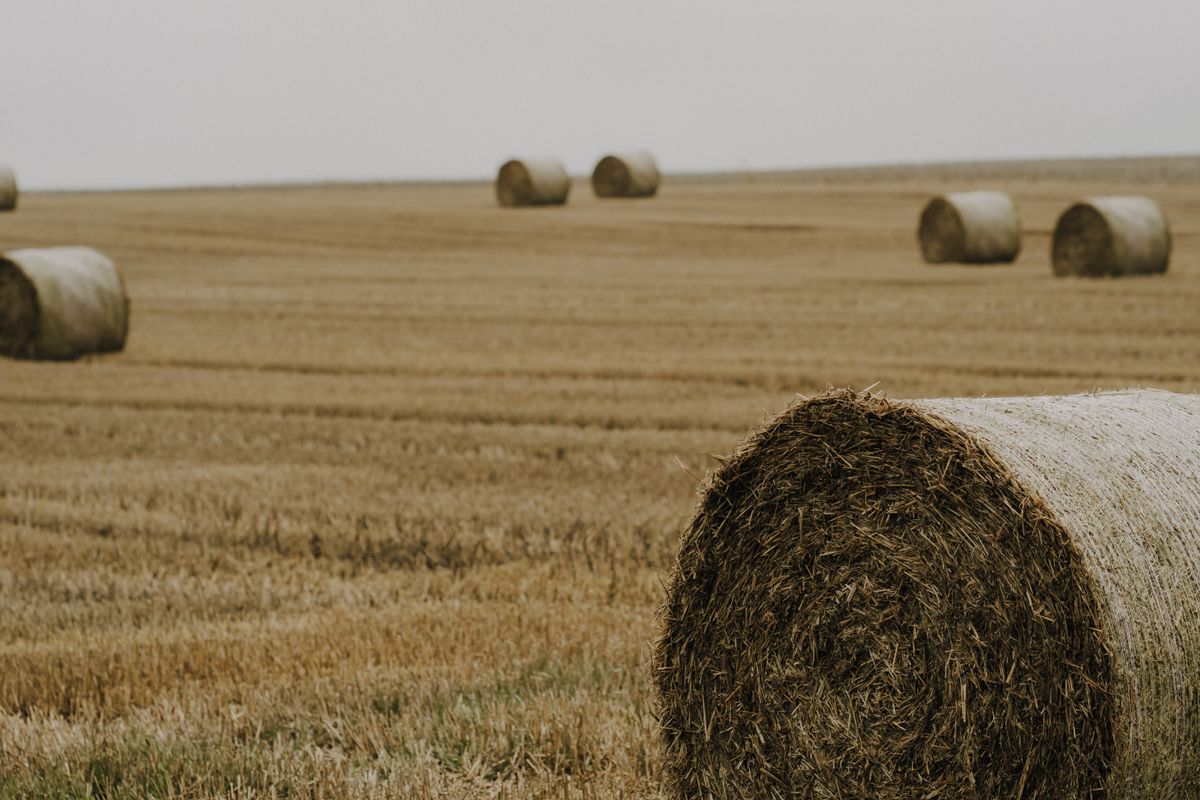
Hay is forage that’s cut and dried down to a low moisture content, typically in the range of 15 to 18 percent, before being baled for storage. Drying below this range prevents mold growth during storage, while baling hay that’s too wet creates a real fire risk from the heat generated by microbial activity inside the bale.
What Is Silage?
Silage is forage that’s chopped at a much higher moisture content, often 60 to 70 percent, and then packed tightly and sealed to exclude oxygen, whether in a bunker, silo, or plastic-wrapped bale. In this oxygen-free environment, naturally occurring bacteria ferment the plant sugars into lactic acid, which lowers the pH and preserves the forage, similar in principle to how sauerkraut or pickles are preserved.
Nutritional Differences
Because silage is preserved through fermentation rather than drying, it often retains slightly more of the original crop’s nutritional value than hay, which can lose some nutrients to weathering and handling during the drying and baling process. However, silage quality depends heavily on getting the fermentation process right. Improperly sealed or spoiled silage can develop listeria, which is a genuine and serious health risk, particularly for sheep and goats, where it can cause a serious neurological illness sometimes called circling disease.
Storage and Equipment Needs
Hay is comparatively simple to store, needing only a dry, covered area to prevent moisture damage. Silage requires more specialized equipment to chop, pack, and seal properly, along with either a permanent structure like a bunker silo or purpose-built silage bags or wrapped bales, making the upfront equipment investment considerably higher.
Cost Considerations
Hay generally has lower upfront equipment costs, making it the more practical choice for small and mid-sized operations that don’t already have silage-handling equipment. Silage can be more cost-efficient per ton of nutrients on larger operations that already have the chopping and storage infrastructure in place, since it often allows for higher yield per acre when harvested at the right growth stage.
Which Is Right for Your Operation?
For most small farms and backyard livestock operations, hay remains the simpler, lower-risk, and more widely available option, especially since it can be purchased in manageable quantities from local producers. Silage tends to make more sense for larger dairy and beef operations with the scale and equipment to manage the fermentation process correctly and consistently.
Final Thoughts
Both hay and silage can provide excellent nutrition for livestock when handled correctly, but the right choice depends on your operation’s scale, equipment, and storage capabilities. Stop by Ray’s Livestock & Feed Store for quality hay and feed supplies for your herd or flock. For forage quality testing and fermentation guidance, your local extension office can help you evaluate what’s right for your farm.