
Shearing is one of those chores that intimidates a lot of new sheep owners, yet it’s a routine and essential part of keeping wool breeds healthy and comfortable. Whether you’re planning to sell fleece, spin your own yarn, or simply keep your flock healthy, understanding the basics of shearing will save you time, money, and stress.
Why Shearing Matters
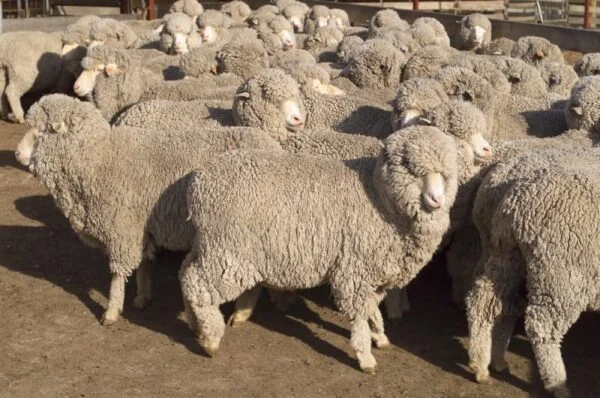
For wool breeds, shearing isn’t optional. Unlike hair sheep, wool breeds do not shed their fleece naturally, and a sheep left unshorn will eventually become overheated in warm weather, more prone to parasites and skin problems hiding in matted wool, and at real risk of flystrike, a painful and sometimes fatal condition caused by flies laying eggs in dirty, moisture-trapped wool.
When to Shear
Most wool sheep are shorn once a year, typically in spring before hot weather sets in. Many shepherds choose to shear pregnant ewes a few weeks before lambing as well, since this makes it easier for newborn lambs to find the udder and reduces the amount of dirty wool around the udder area. In cooler climates, some producers time shearing to happen a few weeks before bringing sheep into winter housing so the fleece has a chance to regrow slightly for added warmth.
How Sheep Shearing Works
Preparing Sheep for Shearing
Sheep should be kept dry for at least 24 hours before shearing, since wet wool is very difficult to shear cleanly and can damage equipment. Withholding feed and water for several hours beforehand is also standard practice, as it reduces the risk of the sheep becoming ill during handling.
The Shearing Process
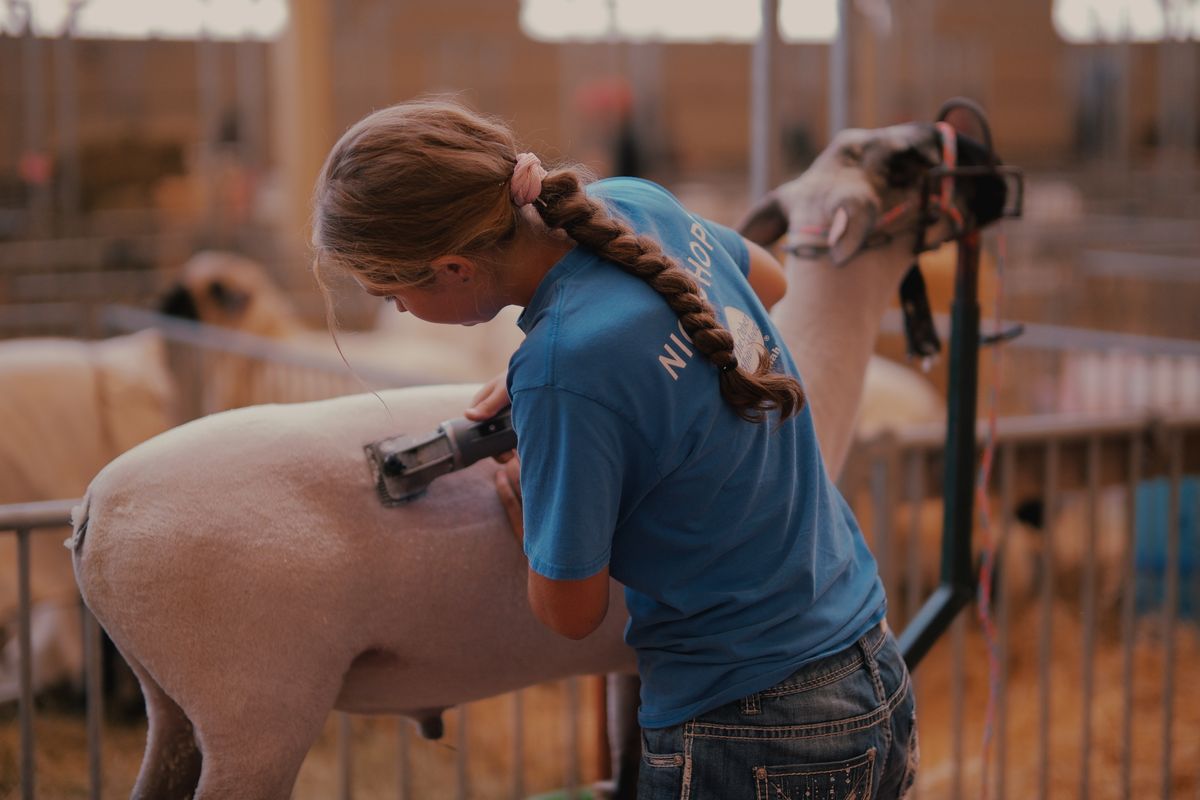
A skilled shearer uses electric clippers to remove the fleece in one continuous piece whenever possible, working through a practiced sequence of movements that keeps the sheep calm and minimizes nicks. A full fleece typically weighs anywhere from 5 to 12 pounds depending on breed and time since last shearing.
Hiring a Professional Shearer vs. DIY
For small flocks, many new owners choose to hire a professional shearer, who can typically shear a sheep in just a few minutes with far less stress on the animal than an inexperienced handler using the same equipment. Professional shearers often charge per head, with pricing depending on flock size, location, and travel distance. If you plan to shear your own flock, investing time in proper training, whether through a local extension workshop or experienced mentor, is well worth it for both your safety and your sheep’s comfort.
Wool Handling After Shearing
Once fleece is removed, it should be skirted, meaning heavily soiled, matted, or short “belly wool” sections are trimmed away before the fleece is bagged or sold. Clean, well-skirted fleece brings a noticeably better price whether you’re selling to a wool pool, a mill, or directly to hand spinners.
Special Considerations: Hair Sheep Don’t Need Shearing
If shearing sounds like more labor than you want to take on, hair sheep breeds such as Katahdin, Dorper, and St. Croix are worth considering. These breeds shed their coats naturally each year and are increasingly popular among meat producers specifically because they eliminate the annual shearing chore entirely.
Final Thoughts
Shearing is a manageable, once-a-year task that protects your flock’s health and, for wool breeds, produces a valuable product in its own right. If you’re building a flock and want to weigh wool versus hair breeds, browse our sheep for sale at Ray’s Livestock & Feed Store, and ask our team which option best fits your goals. For finding a shearer in your area, your local cooperative extension office often maintains referral lists.