
Goats are one of the most forgiving, versatile, and rewarding animals a beginner can bring onto a small farm or homestead. They take up less space than cattle or horses, they convert brush and rough forage into milk and meat efficiently, and they have big personalities that make them easy to fall in love with. At Ray’s Livestock & Feed Store in Houston, we sell goats directly to first-time owners every week, and the same handful of questions always comes up: what breed should I get, how much land do I need, what do they eat, and can I actually make money doing this? This guide walks through everything a beginner needs to know before bringing home their first goats.
Why Raise Goats?
Goats are browsers rather than grazers, meaning they prefer to eat brush, weeds, leaves, and woody plants over short grass. That makes them excellent land-clearing partners for overgrown pastures, and it also means a small herd can thrive on far less improved pasture than cattle or horses would need. Beyond land management, goats are raised for meat, milk, fiber, and increasingly as pets or 4-H and FFA show projects for kids. They also reach maturity quickly compared to cattle, so a new owner sees results, whether that is milk, kids on the ground, or market-ready weight, within the first year.
Choosing the Right Goat Breed for Your Goals
The single biggest decision a new goat owner makes is picking the right breed for their actual goals. Goats are generally grouped into four categories: meat, dairy, fiber, and companion breeds.
Meat Goats
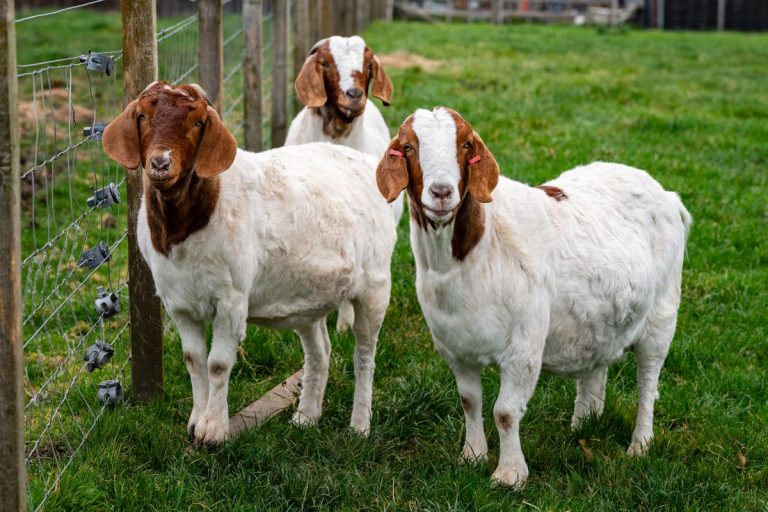
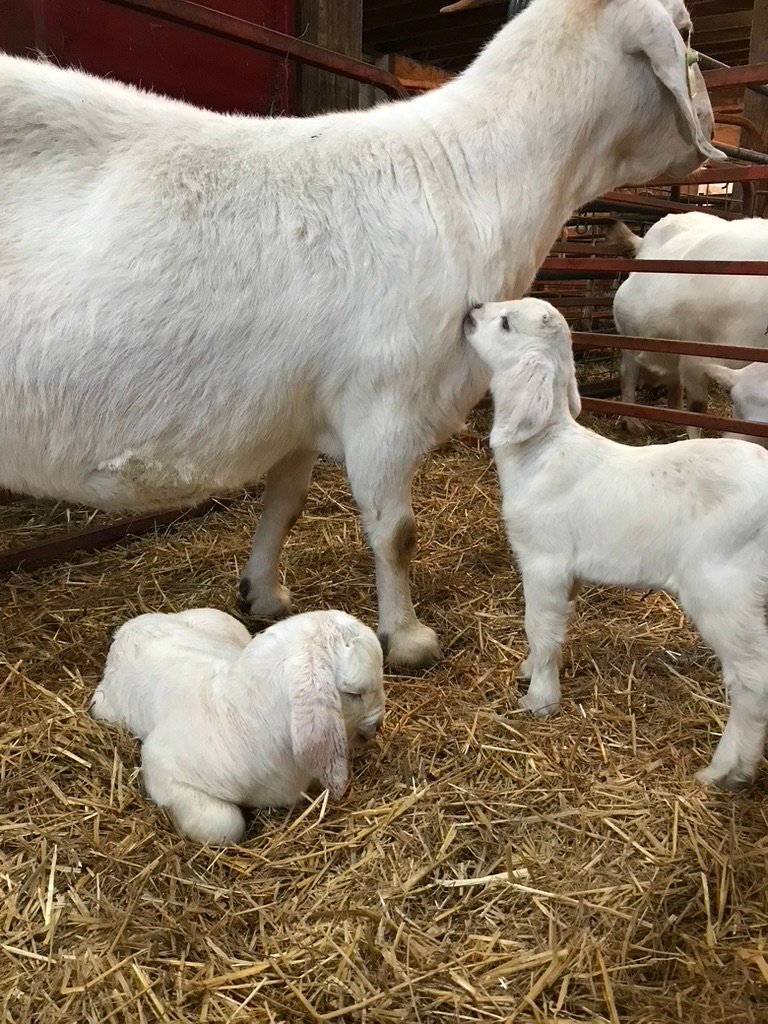
Boer goats are the standard-bearer for meat production in the United States, prized for their fast growth and muscling. Kiko and Savanna goats are hardier alternatives that were developed for low-input, pasture-based systems and tend to need less supplemental care. If your goal is raising goats for meat or show, these are the breeds to start with. We carry Boer goats and Savanna goats regularly.
Dairy Goats
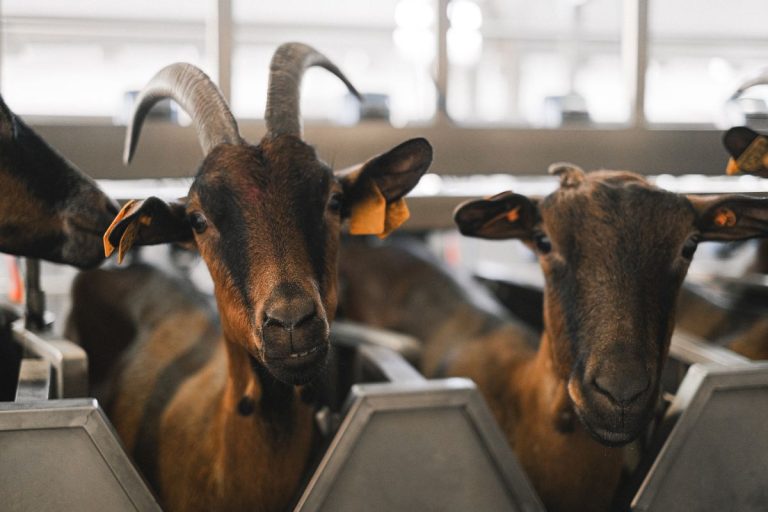
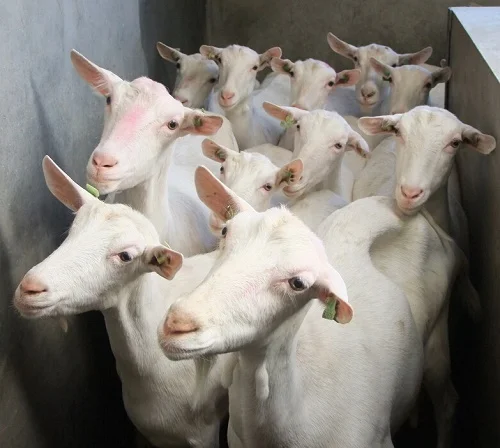
Nubian, Saanen, Alpine, LaMancha, and Nigerian Dwarf goats are the most common dairy breeds. Nubians are known for higher butterfat content, while Saanens and Alpines tend to produce higher milk volumes. If cheese, soap, or drinking milk is the goal, a dairy breed will outperform a meat breed considerably. Take a look at our Nubian goats and LaMancha goats currently available.
Fiber Goats
Angora goats produce mohair and Cashmere goats produce, as the name suggests, cashmere fiber. These breeds require more specialized shearing and coat care, so they tend to suit owners with a specific fiber-arts interest rather than someone looking for a low-maintenance starter animal.
Pet and Miniature Goats
Nigerian Dwarf and Pygmy goats are popular as pets and small-scale milk producers because of their compact size, making them well suited to smaller properties. They are also a common entry point for families who want goats primarily for companionship rather than production.
How Much Land and Housing Do Goats Need?
Goats do not need nearly as much acreage as cattle or horses, but they are escape artists, and fencing is usually the make-or-break factor for new owners. As a general rule of thumb, plan on roughly a quarter to half an acre of usable browse per goat, though this varies enormously with forage quality and whether you are supplementing with hay. Woven wire fencing at least four feet tall, or well-maintained electric netting, is the standard for containing goats, since standard livestock panels with wide gaps can allow horned goats to get their heads stuck. Every goat also needs a three-sided shelter or small barn to get out of wind, rain, and direct sun, since goats are notoriously intolerant of getting wet in cold weather.
Feeding Your Goats
A goat’s diet should be built primarily around free-choice, good-quality hay or pasture browse, with a mineral supplement formulated specifically for goats (not sheep, since sheep mineral lacks copper that goats require and can even be dangerous for them). Grain or a commercial goat feed pellet is typically reserved for lactating does, growing kids, or breeding bucks during the rut, rather than fed to every animal in the herd. Fresh, clean water needs to be available at all times, since goats are surprisingly picky about water quality and will reduce intake if it is dirty. For more detail on matching feed to specific goat types, see our related guide on choosing the right goat feed for meat, dairy, or pet goats.
Basic Health Care
New goat owners should budget for routine hoof trimming every six to eight weeks, an annual vaccination such as CDT (Clostridium perfringens types C and D plus tetanus), and a regular deworming and parasite monitoring program, since internal parasites like barber pole worm are the leading health threat to goats in warm, humid climates such as the Texas Gulf Coast. Building a relationship with a large-animal veterinarian, or at minimum a local agricultural extension office, before you need one is one of the best things a first-time owner can do. The Texas A&M AgriLife Extension Service publishes region-specific guidance on parasite management and herd health for Texas goat owners.
Is Raising Goats Profitable?
Goats can absolutely generate income through meat sales, breeding stock, milk and dairy products, or show animals, but profitability depends heavily on scale, local demand, and how tightly you manage feed costs. Many successful small operations start as a break-even hobby that covers its own costs through direct sales before scaling into a larger commercial herd. Selling directly to local buyers, rather than through a sale barn, tends to produce the best margins for small producers, which is part of why direct-sale models have become popular with hobby and small commercial farms alike.
Buying Your First Goats
When buying your first goats, always ask to see health records, ask whether the animal has been dewormed and vaccinated, and if possible, see the animal in person before purchase. At Ray’s Livestock & Feed Store, we sell goats directly with no bidding or auction uncertainty, so you know exactly what you are getting and what it costs before you commit. Browse our current goats for sale selection, or get in touch through our Contact page if you have questions about a specific breed.
Frequently Asked Questions
How many acres do I need to raise goats?
A commonly used guideline is a quarter to half an acre of usable browse per goat, though goats can be raised on smaller lots if you are supplementing with hay and rotating a small paddock.
Are goats hard to raise for beginners?
Goats are considered one of the more beginner-friendly livestock species thanks to their smaller size and lower feed costs compared to cattle or horses, but secure fencing and a basic understanding of parasite control are essential for success.
How long does it take to raise a goat for meat?
Meat breeds like Boer goats are typically raised to market weight between seven and twelve months of age, depending on the target weight and growth rate.
Final Thoughts
Raising goats rewards patience, good fencing, and consistent parasite management more than any single breed choice. Start with a breed that matches your actual goal, whether that’s meat, milk, fiber, or companionship, invest in secure housing before you bring animals home, and lean on local resources like your county extension office. If you are in the Houston area and ready to bring home your first goats, visit our shop to see what we currently have available.